
✦ GOTHAM FRAGRANCES — All Name Brand Colognes & Perfumes!
Free Shipping on all orders over $80.00
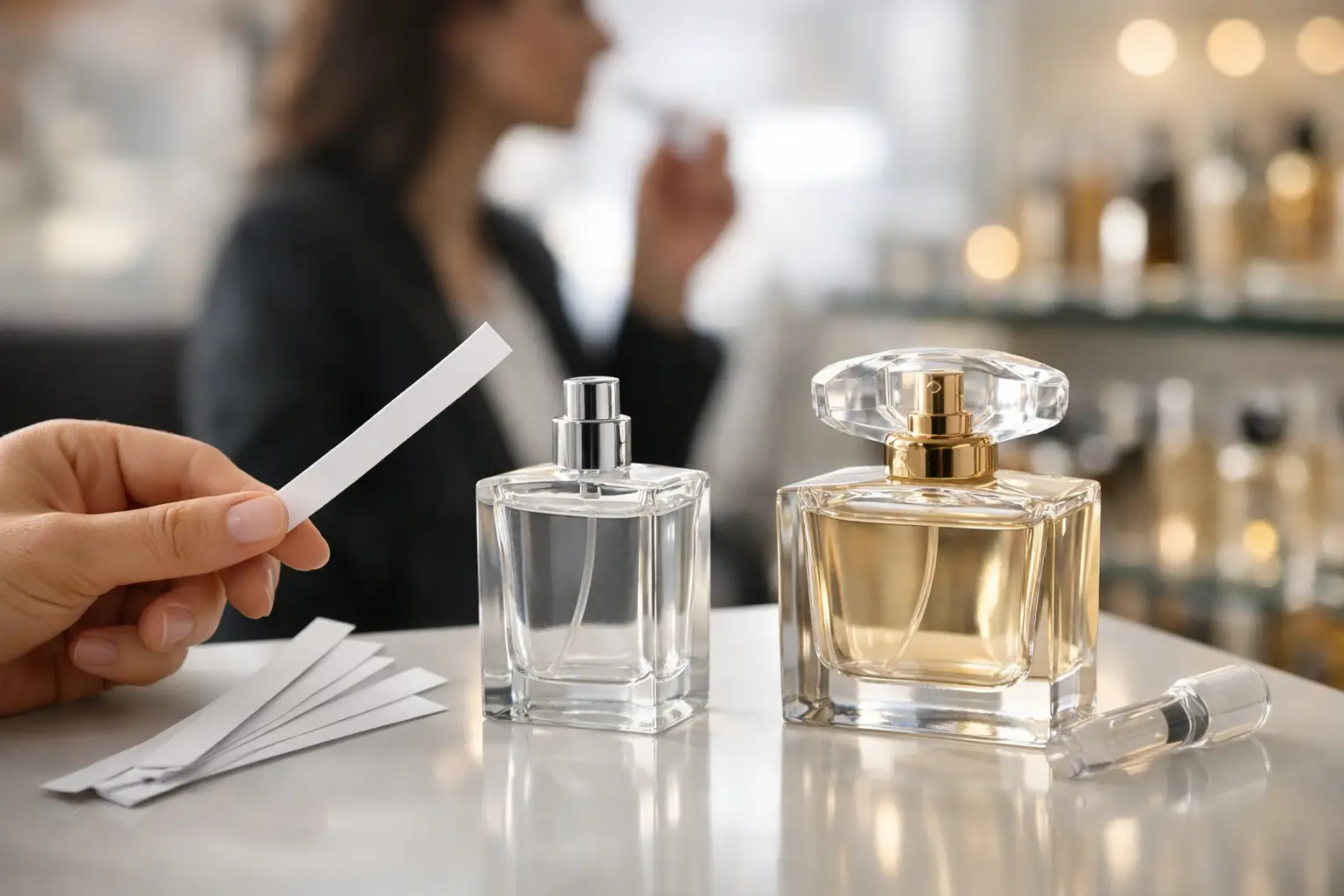
A familiar designer bottle at a noticeably lower price can make even experienced fragrance shoppers pause. For anyone searching for the perfume tester meaning, the short answer is reassuring: a tester is usually the same authentic fragrance as the retail version, offered in simpler packaging because it was originally made for in-store sampling.
That difference can make a tester an especially appealing way to enjoy a signature scent, replenish a favorite, or give a new fragrance wardrobe staple a place on your shelf without paying for presentation extras you may not need. Still, the details matter. A tester is not automatically the right choice for every occasion, especially when the bottle is intended as a gift.
A perfume tester is a bottle supplied by a fragrance brand so customers can experience the scent at a counter or retail display. It allows shoppers to spray the fragrance on skin, let the notes develop, and decide whether its character suits them before buying a boxed bottle.
The liquid inside is generally the same formula, concentration, and size as its retail counterpart. If the retail bottle is an eau de parfum, the tester is typically that same eau de parfum. If the retail version has the warm woods, bright citrus, or soft floral signature you love, the tester should deliver that same scent experience.
What changes is usually the presentation. Testers may arrive in a plain white or brown carton, an unbranded box, or no box at all. Some have a cap; others are made with a simple sprayer and no cap, since they were designed to sit on a store counter rather than in a gift box.
The perfume tester meaning is not “lesser fragrance.” It refers to a product’s intended display use and packaging style. In a legitimate tester, the bottle itself may be marked with language such as “tester,” “demonstration,” or “not for sale.” That marking identifies its original purpose, not a change in quality.
A tester may look slightly more utilitarian than a retail bottle. The glass could be identical while the cap is missing, or the bottle may carry a small tester label that would not appear on the shelf version. The outer carton, if included, is usually plain instead of decorated with brand artwork.
For personal use, those differences often have little practical impact. The perfume is what matters: how it opens, how it wears through the day, and how confidently it becomes part of your presence. For a birthday, anniversary, or holiday gift, however, the polished retail box and complete presentation can be part of the pleasure. In that case, a standard retail bottle is often the more thoughtful choice.
Luxury fragrance packaging is an experience in itself. A weighted cap, embossed carton, ribbon detail, metallic finish, and carefully designed insert all support the visual world of the brand. They also add cost.
Because testers are made for a functional purpose, they commonly skip some of those presentation elements. That can create meaningful savings for shoppers who want authentic designer fragrance and care more about the scent than the box. It is a practical trade-off, not a compromise on personal style.
The price difference can be particularly worthwhile when you are buying a fragrance you already know. If you have worn a particular cologne for years or keep a beloved floral eau de parfum in regular rotation, there is little reason to pay extra for packaging that will be recycled after opening. A tester lets the fragrance remain the luxury.
Authenticity depends on where you buy, not on whether the bottle is labeled as a tester. Authentic testers are produced by the fragrance brand and contain genuine fragrance. Like retail bottles, they should be purchased from a reputable retailer that is clear about what is being sold.
Be cautious of descriptions that are vague, photos that do not match the listed product, or prices that seem implausibly low with no explanation. A trustworthy seller should identify an item as a tester and disclose relevant details, such as whether a cap or box is included. Clear product information helps you choose based on preference rather than surprise.
It is also worth separating a tester from an open, used, or decanted fragrance. A tester is generally a full, factory-produced bottle intended for display. An opened item has been used or handled after sale. A decant is fragrance transferred from an original bottle into a smaller container. These can all serve different needs, but they are not interchangeable.
One of the most persistent fragrance myths is that testers are stronger than retail bottles. In most cases, there is no reason to expect a legitimate tester to have a different concentration or superior performance. It is meant to represent the fragrance customers will receive when they buy the retail version.
Wear time can vary for more personal reasons. Skin chemistry, humidity, application amount, moisturized versus dry skin, and even the area of application can affect how long a scent feels present. A rich amber or oud composition may linger for hours, while a fresh citrus eau de toilette may feel lighter by design.
Bottle age and storage also matter. Whether you own a tester or a boxed bottle, keep fragrance away from heat, direct sunlight, and frequent temperature changes. A cool, dark cabinet is a better home than a sunny bathroom counter. Good storage protects the integrity of the composition and helps preserve the notes as the perfumer intended.
A tester is ideal when the fragrance is for you, you are comfortable with simpler packaging, and the product listing clearly explains the condition. It is an intelligent option for daily wear, office staples, travel backups, and replenishing a scent that already feels like part of your identity.
It can also make scent exploration more approachable. Instead of limiting your collection to one bottle at full retail price, a tester may leave room for a crisp daytime fragrance, a refined evening scent, and something more expressive for special occasions. Fragrance is personal, and variety gives you more ways to match your scent to your mood, wardrobe, and plans.
Choose a retail bottle when presentation is central to the purchase. A beautifully boxed fragrance carries a sense of ceremony, which is valuable for gifts or for collectors who appreciate every element of a brand’s design. There is no wrong answer. It comes down to whether you value the full unboxing experience or prefer to direct more of your budget toward the fragrance itself.
Read the listing carefully before placing an order. Confirm the fragrance name, concentration, and bottle size, then look for straightforward notes about the cap and packaging. Terms such as “tester,” “plain box,” “no cap,” or “unboxed” should be treated as product details, not warning signs, as long as the retailer discloses them clearly.
Consider how you will use the bottle once it arrives. A capless tester is usually perfectly convenient on a vanity or dresser, but a capped retail bottle may feel more secure if you frequently travel with it. If the bottle will be displayed, check product images and descriptions so you know whether the tester’s appearance fits your expectations.
The best fragrance purchase is one that feels considered from the first spray to the final dry-down. If the scent speaks to your individuality and the presentation suits your purpose, a tester can be a remarkably elegant way to make luxury fragrance part of everyday life.
Post Tags :
Share :