
✦ GOTHAM FRAGRANCES — All Name Brand Colognes & Perfumes!
Free Shipping on all orders over $80.00
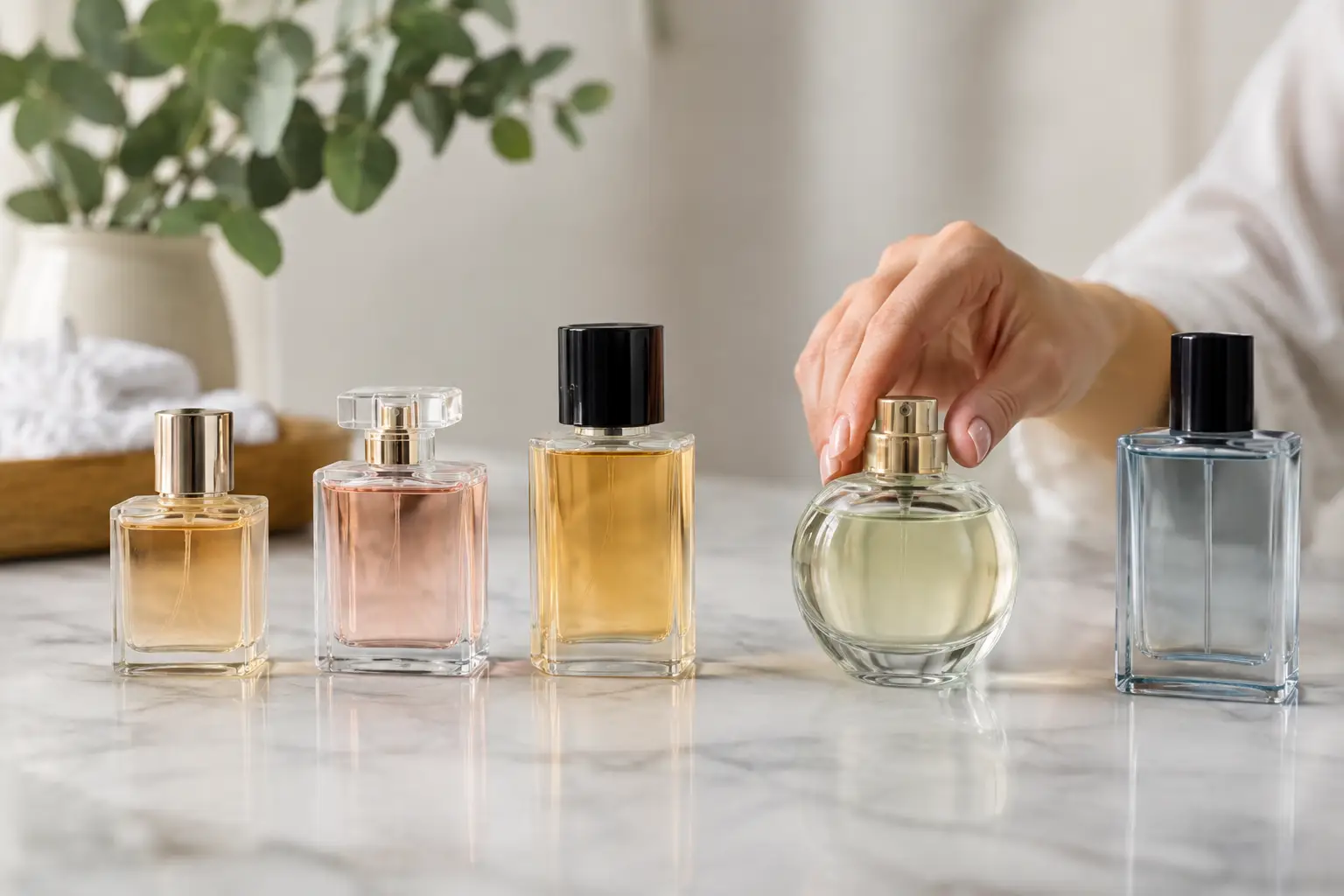
A fragrance can smell perfect on a blotter and feel entirely different by late afternoon. Often, the difference is not the scent itself but its concentration: the balance of aromatic oils, alcohol, and other ingredients that shapes how a fragrance wears. Knowing how to choose fragrance concentration helps you find a scent with the presence, longevity, and mood that suit your life rather than simply choosing the strongest bottle on the shelf.
A crisp citrus may feel ideal for a warm commute but disappear before dinner in a lighter concentration. A rich amber may create instant allure in parfum form, yet feel too close and intense for a crowded office. The right choice is personal, practical, and more nuanced than “more concentrated is always better.”
Fragrance concentration refers to the approximate percentage of perfume oil in a formula. In general, higher concentrations contain more aromatic material and less alcohol, which can make them last longer and wear closer to the skin. They may also reveal deeper base notes such as woods, musk, vanilla, leather, or resin more fully.
But concentration is not a universal measure of quality, projection, or value. A bright eau de toilette built around bergamot and vetiver may project beautifully for several hours. A dense extrait may stay intimate, creating a polished scent trail only for those standing close. Formula, ingredients, your skin chemistry, the weather, and the number of sprays all influence performance.
Think of concentration as a wear style. It helps set expectations for how a fragrance develops and how much space it occupies, not just how long it remains detectable.
Start with the moments when you want to wear the fragrance. If you reach for scent before work, errands, the gym, or daytime events, a fresh and flexible concentration may serve you best. If fragrance is part of dressing for date night, formal occasions, or cool-weather evenings, a richer concentration can add depth and staying power.
Your preferred application style matters just as much. Some people enjoy refreshing a fragrance during the day, especially when wearing citrus, aquatic, green, or clean musky scents. Others want two sprays in the morning and a subtle trace by evening. Neither approach is more sophisticated. It simply points toward a different concentration and scent family.
Dry skin can cause fragrance to fade more quickly, while well-moisturized skin often holds scent longer. Heat can amplify projection, particularly with spicy, sweet, leathery, and woody compositions. In a hot, humid climate, an intense eau de parfum may feel much larger than it does in a cool, air-conditioned setting.
Season also changes the experience. Lighter concentrations often feel effortless in spring and summer, when sparkling notes can shine without becoming overwhelming. Autumn and winter invite more texture: warm florals, amber, tobacco, oud, vanilla, and creamy woods tend to feel especially elegant in eau de parfum or parfum formats.
For close-contact settings such as an office, airplane, restaurant, or daytime celebration, restraint is part of good taste. An eau de toilette, a soft eau de parfum, or even a richer scent applied sparingly can create a memorable impression without taking over the room.
For an evening out, a special event, or a night when you want your fragrance to feel like a finishing touch, more concentration can be rewarding. The key is not to chase the loudest possible trail. The most alluring fragrance is often one that draws people closer.
Eau de cologne generally has the lowest concentration, often around 2% to 5% perfume oil. It is traditionally associated with bright citrus, herbs, neroli, and airy aromatic notes. The experience is refreshing, clean, and easy to reapply, but it usually has the shortest wear time.
This format is ideal for someone who sees fragrance as a quick lift rather than an all-day signature. It can be especially appealing after a shower, before a casual weekend outing, or during very warm weather. Do not dismiss cologne because it is light – a beautifully composed citrus scent can feel timelessly refined.
Eau de toilette, often abbreviated as EDT, typically falls around 5% to 15% concentration. It is one of the most versatile choices in fragrance, offering noticeable character without the weight that some people associate with stronger formats. Many classic designer scents are available as EDTs because the concentration lets their opening notes feel vivid and energetic.
An EDT is a strong choice if you prefer freshness, enjoy a slightly brighter scent profile, or want something appropriate for daily wear. Expect the opening to be more pronounced and the overall wear to be lighter than an eau de parfum, though performance can still be excellent depending on the formula.
Eau de parfum, or EDP, usually contains about 15% to 20% perfume oil. It often offers a fuller, smoother development than an EDT, with more emphasis on the fragrance’s heart and base notes. Florals can feel creamier, woods more dimensional, and gourmands more enveloping.
For many fragrance lovers, eau de parfum is the sweet spot between presence and practicality. It can transition easily from a professional setting to dinner, especially when applied with a light hand. If you are building a collection and want one dependable format for everyday confidence, EDP is often the easiest place to begin.
Parfum and extrait de parfum generally sit at the high end of concentration, commonly around 20% to 40%, though brands use these terms differently. These formulas are often richer in texture and may feel more intimate rather than more forceful. They can wear with a luxurious softness, unfolding slowly over many hours.
Choose parfum when you appreciate detail, want a fragrance to feel close to the skin, or love deeper notes that evolve gradually. It is particularly beautiful for evenings, colder months, and occasions when you want a scent to feel personal rather than projected across the room. A small application is usually enough.
Two fragrances with the same concentration can perform very differently. Citrus, watery notes, and delicate herbs are naturally more fleeting than patchouli, amber, sandalwood, vanilla, and many musks. A 15% citrus EDP may still feel lighter than a 10% woody EDT.
Brand-specific formulas also matter. Some eau de parfums are designed to be radiant and airy, while others are dark, dense, and long-lasting. When possible, test fragrance on skin and give it time. The first five minutes tell you about the opening; the next several hours reveal whether the fragrance belongs in your collection.
Pay attention to how it makes you feel as it dries down. If you keep lifting your wrist because the scent feels polished, comfortable, and distinctly yours, that matters more than a promised number of hours.
Before moving to a higher concentration, try adjusting how you apply what you already own. Spray fragrance on clean, moisturized skin at pulse points such as the wrists, neck, and chest. Avoid aggressively rubbing your wrists together, which can disrupt the opening and make the fragrance seem flatter.
For a lighter EDT, three to five sprays may create the presence you want. For a strong EDP or parfum, one to three sprays can be plenty. This varies widely by formula, so begin conservatively and test it in real life. You should be able to enjoy your fragrance without becoming nose-blind to an overpowering cloud.
Clothing can help a scent linger, but test carefully first, especially with delicate fabrics. Perfume oils may stain silk, light-colored materials, or jewelry. Skin remains the best canvas for experiencing the full evolution of a composition.
When selecting fragrance for someone else, concentration can make the gift feel more considered. For a person who prefers clean, classic, or easygoing scents, eau de toilette is often a safe and versatile choice. For someone drawn to luxury rituals, evening dressing, or warm, sensual notes, eau de parfum or parfum can feel especially impressive.
If you know their favorite fragrance already, look at the version they wear rather than assuming the strongest interpretation will be best. An EDT lover may value its brightness, while an EDP devotee may prefer its depth. The most thoughtful gift respects how they want to be remembered.
The right concentration gives a fragrance room to become part of your routine, your wardrobe, and your personal signature. Choose the version that feels beautiful at the distance you want others to experience it – and wear it often enough to make it unmistakably yours.
Post Tags :
Share :