
✦ GOTHAM FRAGRANCES — All Name Brand Colognes & Perfumes!
Free Shipping on all orders over $80.00
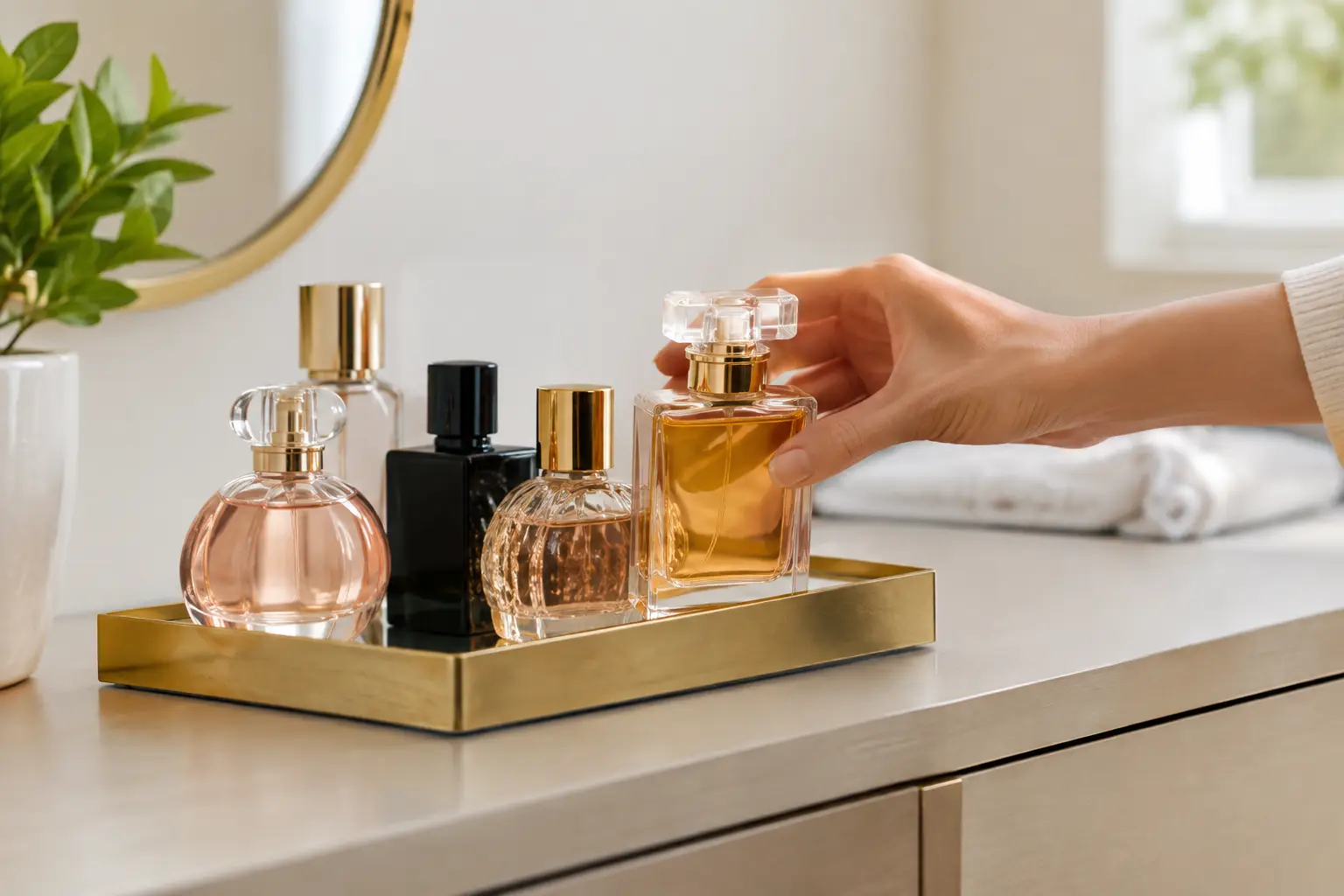
A beautiful fragrance can become part of your signature: the polished citrus you reach for before work, the warm amber that changes the mood of an evening, or the bottle you save for celebrations. Knowing how to store fragrances properly protects more than the liquid inside. It preserves the composition a perfumer intended, from the first bright spray to the lasting trail on skin.
Perfume is more delicate than its glass bottle suggests. Heat, light, air, and humidity can gradually alter its color, clarity, and scent profile. With a few thoughtful habits, your designer and niche bottles can retain their character for years, so every spray feels as refined and memorable as the first.
Fragrance is a carefully balanced blend of aromatic materials, alcohol, and sometimes a small amount of water. Those materials do not all react to their surroundings in the same way. Fresh citrus notes, airy florals, creamy woods, and richly layered resins may each shift differently when exposed to heat or sunlight.
The most common change is oxidation. As oxygen enters a bottle over time, certain ingredients can lose their sparkle or take on a flatter, sharper, or slightly sour quality. This process is natural, but poor storage speeds it up. Light and high temperatures can also break down sensitive aromatic compounds, leaving a once-vibrant scent less recognizable.
That does not mean a favorite bottle should feel too precious to wear. Fragrances are made to be enjoyed. The goal is simply to give each one a stable home between wears, especially if you keep a collection of special-occasion scents or rotate bottles with the seasons.
The best place for most fragrances is a cool, dark, dry area with a consistent temperature. A bedroom closet, dresser drawer, or closed cabinet away from a heat source is usually ideal. Think of it as storing fine silk or a treasured accessory: protected from the elements, easy to reach, and kept in a space that does not fluctuate dramatically throughout the day.
A room-temperature environment is generally perfect. There is no need to refrigerate everyday fragrance, and a refrigerator can create its own concerns if the temperature is very cold or changes often. More importantly, frequent transfers between a cold refrigerator and a warm room can create unnecessary temperature shifts. For most designer fragrances, a shaded shelf or drawer is the more elegant and practical choice.
If your home runs especially warm, choose the coolest interior closet or cabinet available. Avoid spots beside radiators, heating vents, sunny windows, fireplaces, or appliances that give off heat. A shelf in direct afternoon sun may look striking, but it is one of the fastest ways to compromise a fragrance over time.
Bathrooms are convenient, but they are rarely ideal for fragrance storage. Daily showers create cycles of heat and humidity, and those conditions can gradually affect delicate formulas. Even a closed medicine cabinet may warm up and cool down repeatedly in a busy bathroom.
If one bottle lives on your bathroom counter because it is part of your morning ritual, it is unlikely to be ruined overnight. The trade-off is simply long-term preservation. Keep frequently worn scents there only if you will finish them within a reasonable time, and move backup bottles, rare finds, and larger collections to a more stable area.
The original box is not just packaging. It provides an extra barrier against light and helps protect the bottle from dust, accidental knocks, and temperature changes. For a fragrance you do not wear every week, keeping it in its carton is one of the easiest ways to extend its best years.
This is especially useful for clear bottles, pale juice, and fragrances built around fresh notes such as bergamot, neroli, green tea, or watery florals. Dark glass offers some light protection, but it is not a complete solution. A box or closed drawer remains the better choice.
Always replace the cap after applying your fragrance, even on bottles with an atomizer. A quality sprayer limits air exposure, but the cap helps keep dust and residue away from the nozzle while adding a small layer of protection around the top of the bottle.
Store bottles upright whenever possible. Laying them on their side can allow fragrance to sit against the sprayer components or cap for long periods. This is more relevant for splash bottles, travel decants, and older packaging with less secure closures. Upright storage also minimizes the chance of a leak turning a lovely purchase into a damaged shelf.
Avoid shaking your fragrance. Unlike a cocktail, perfume does not need to be mixed before use. Shaking can introduce tiny air bubbles into the liquid, increasing contact with oxygen. A gentle, still bottle is exactly what the formula needs.
Travel sprays make it easy to bring a favorite scent to the office, the gym bag, or a weekend away. They also face more risk than full-size bottles because they are often exposed to heat in cars, direct sun in handbags, and movement during travel. Keep them in a pouch, pocket, or compartment rather than loose at the bottom of a bag.
Never leave fragrance in a parked car. Temperatures inside a vehicle can rise quickly, even on a day that does not feel extreme outdoors. Heat can affect the scent itself, while pressure changes may also lead to leaking in travel atomizers.
Decants deserve the same care as full bottles, with one added consideration: use quality glass atomizers with secure caps. Plastic containers can be less reliable for long storage, particularly with alcohol-based fragrances. Label decants with the fragrance name and date if you keep several, so a treasured scent does not become a mystery after a few months.
Backups are best stored unopened in their original boxes, inside a cool cabinet or closet. If you found a beloved classic at an exceptional price, this approach lets you enjoy the value without rushing to open every bottle at once.
A collection should feel personal, not museum-like. If you own two or three bottles, a closed drawer may be all you need. If you have a growing wardrobe of designer icons, niche discoveries, and seasonal favorites, a dedicated cabinet or drawer makes choosing a scent feel more intentional while keeping each bottle protected.
Organize by the way you wear fragrance rather than by brand alone. You might keep easy daytime scents together, reserve deep evening compositions for a separate section, and place your most-reached-for bottles near the front. This reduces unnecessary handling and keeps less frequently worn fragrances safely tucked away.
For collectors who enjoy displaying bottles, consider a compromise. Keep a small, rotating selection on a tray away from windows, then store the rest in a dark cabinet. You still get the pleasure of beautiful design without exposing every bottle to months of light.
A fragrance that has deepened slightly in color is not automatically spoiled. Vanilla, amber, patchouli, and other naturally rich materials can darken as they age, sometimes without a meaningful change in performance. What matters most is how it smells and behaves on skin.
Watch for a noticeably sour, metallic, vinegary, or stale opening that was not there before. Cloudiness, sediment in a formula that was once clear, or an unexpected change in texture can also be signs that a fragrance has degraded. When in doubt, spray it on a blotter first, then test it on skin. Body chemistry can change a scent, too, so compare it with your memory of the fragrance rather than judging only the color of the liquid.
Most well-stored fragrances last for years after opening, often far beyond the commonly quoted shelf-life estimates. Alcohol-based designer perfumes and colognes are generally more resilient than people assume. The difference comes down to formula, storage conditions, and how often the bottle is opened and used.
A fine fragrance is meant to mark ordinary mornings, memorable dates, thoughtful gifts, and the moments when you want to feel completely yourself. Give your bottles a cool, shaded place to rest, then wear them generously enough to let those memories become part of the scent.
Post Tags :
Share :