
✦ GOTHAM FRAGRANCES — All Name Brand Colognes & Perfumes!
Free Shipping on all orders over $80.00
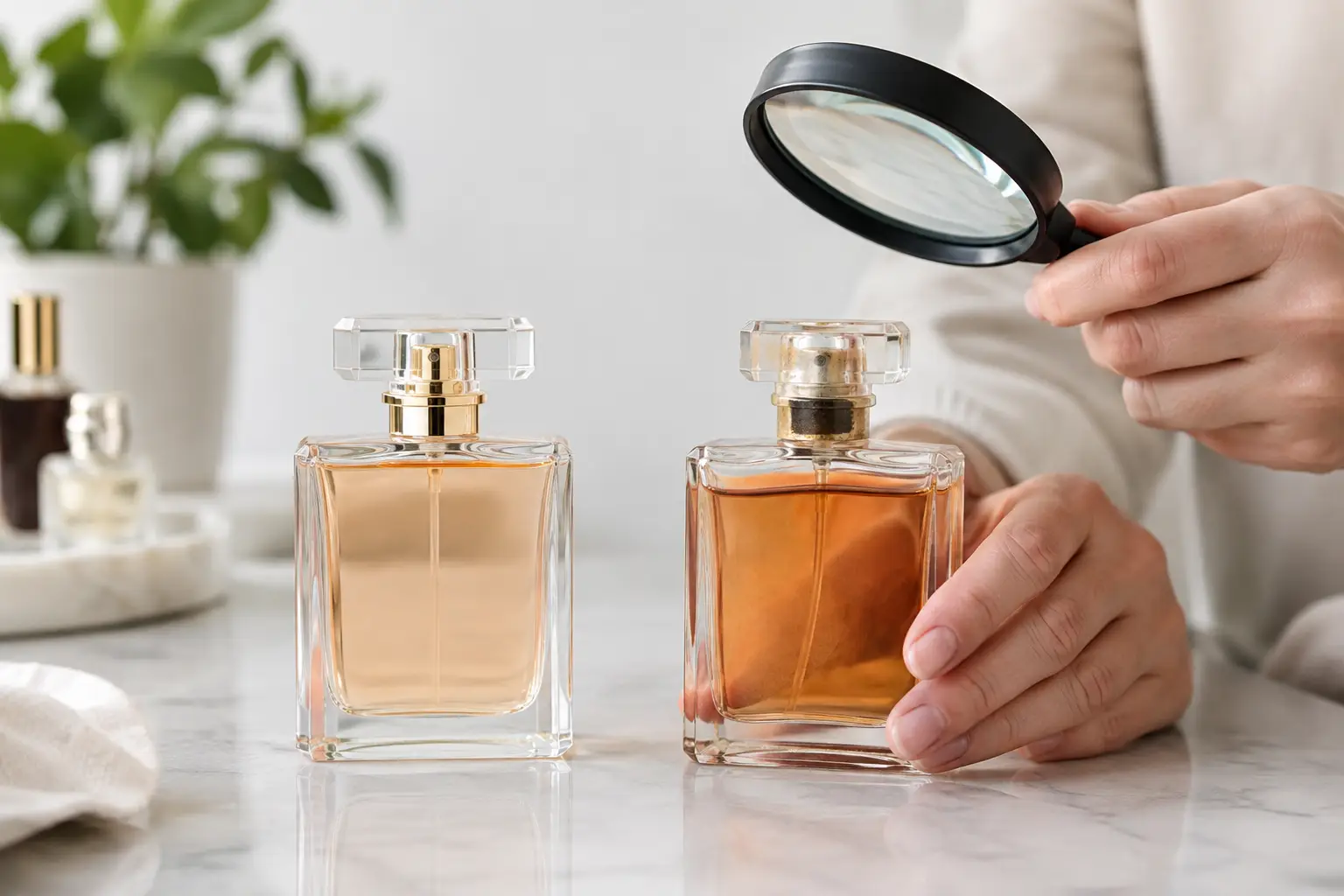
A fragrance can look convincing from across a room and still disappoint the moment it reaches your skin. Counterfeit bottles often borrow the familiar name, color palette, and silhouette of an iconic scent, but they cannot reliably recreate the craftsmanship behind it. Knowing how to identify counterfeit perfume helps protect more than your money – it protects the ritual, confidence, and personal expression that make fragrance feel special.
The good news is that you do not need to be a collector or industry insider to shop wisely. A careful look at the seller, packaging, bottle, and fragrance itself can reveal a great deal. No single sign is absolute, especially when brands update packaging over time, but several inconsistencies together should be treated as a clear reason to pause.
The most useful check happens before a bottle is ever delivered. Authentic fragrance can be discounted, sometimes substantially, through established retailers, seasonal promotions, overstock, and different distribution models. A lower price alone does not make a perfume fake.
What matters is whether the offer makes sense in context. Be cautious when a currently popular luxury release is priced at a fraction of every other reputable seller, particularly if the listing has vague photos, little company information, no clear return policy, or pressure to buy immediately. A seller should be easy to identify, have responsive customer support, and provide straightforward details about what is being sold.
Marketplace listings require extra care. Look beyond star ratings and read recent reviews for comments about packaging, authenticity, returns, and customer service. Product photos should be specific to the item, not blurry stock images that conceal the box or bottle. When buying a gift, that extra minute of research is part of making sure the presentation matches the occasion.
The outer box is often the first physical clue. Prestige fragrance houses are meticulous about presentation. Their boxes typically use crisp printing, clean edges, precise alignment, and a polished finish appropriate to the brand. Counterfeit packaging may feel close at first glance, but details tend to unravel under better light.
Check the brand name, fragrance name, concentration, and volume carefully. Misspellings are obvious warning signs, but subtler flaws matter too: letters that look too thick or thin, uneven spacing, faded ink, off-center labels, or a logo that does not match the brand’s current style. Compare the box to images from a trusted retailer, while remembering that a brand may change its design between production years.
Cellophane is another useful, though not definitive, detail. Genuine packaging usually has taut, neatly folded wrapping with clean seams. Loose plastic, excessive glue, wrinkled corners, or a cheap-feeling seal can indicate poor-quality production. Still, do not reject a bottle solely because the wrap is imperfect. Shipping conditions can affect cellophane, and some legitimate testers or unboxed products are sold without standard retail wrapping.
Look for the batch code on both the box and the bottle. This small series of letters or numbers is generally printed, stamped, or laser-etched rather than applied as a flimsy sticker. On a standard retail bottle, the codes should match. A missing code, mismatched code, or code that smudges easily deserves scrutiny. Matching codes are encouraging, but counterfeiters can copy them, so use this check alongside the others.
A genuine designer fragrance bottle is more than a container. Its weight, symmetry, cap, sprayer, and glasswork are all part of the brand experience. Counterfeits frequently imitate the overall shape well enough to fool a quick glance, yet the finish often feels less refined in the hand.
Set the bottle on a flat surface and inspect it from several angles. The glass should be clear and even, without obvious bubbles, rough seams, warped corners, or cloudy patches. Labels and plaques should sit straight. Engraved text should be sharp, while printed text should not rub off with normal handling.
Pay close attention to the cap and atomizer. On many authentic fragrances, the cap has a substantial feel and fits securely, sometimes with a satisfying magnetic or weighted closure. It should not wobble excessively or feel hollow unless that is consistent with the known bottle design. The sprayer should release a fine, controlled mist. A weak stream, dribble, or erratic spray is not proof on its own, but it is a common quality concern with counterfeit bottles.
Color can offer a clue, but use it carefully. Fragrance may naturally vary slightly between batches, and vanilla-rich formulas often deepen over time. Dramatic discoloration, floating particles, or a cloudy liquid in a fragrance that should be clear may point to age, poor storage, or a questionable product. It does not automatically identify a counterfeit.
A fake perfume often gives itself away after the first spray. Authentic fine fragrance is built in stages: the opening notes create an initial impression, the heart develops as the alcohol settles, and the base remains closer to the skin over time. Even fresh citrus scents and clean musks should feel intentional rather than flat.
Counterfeits may smell broadly similar for a few minutes, especially if they imitate a famous sweet, floral, or woody profile. Then the formula can turn sharply alcoholic, overly synthetic, unexpectedly sour, or strangely harsh. The scent may also disappear very quickly because it lacks the materials and balance that support a proper dry-down.
Longevity is helpful but not a perfect authenticity test. Skin chemistry, weather, application amount, and fragrance concentration all affect performance. An eau de toilette may wear more softly than an eau de parfum, while some authentic skin scents are designed to stay intimate. Instead of asking only whether it lasts all day, ask whether the fragrance evolves in a way that feels balanced, recognizable, and well-made.
If you already own a known authentic sample or bottle, compare them on separate blotter strips. Spray both at the same time and revisit them after 10 minutes, one hour, and several hours. This side-by-side method is far more revealing than trying to judge from memory.
Many online authenticity tests sound definitive but are not. Claims about a particular cap color, box texture, barcode format, or bottle base can become outdated when a brand redesigns packaging or moves production. Likewise, batch-code lookup tools can be useful for context, but they cannot certify authenticity. A counterfeit may use a copied or plausible code.
Blacklight tests, floating tests, and barcode scans are even less dependable. A barcode confirms that a number exists, not that the bottle in your hand was made by the brand. Treat viral shortcuts as supporting evidence at most, never as the final word.
The strongest approach is cumulative: assess the retailer, price, packaging quality, batch-code consistency, bottle construction, and scent development together. If two or three elements feel wrong, trust that hesitation. Luxury fragrance should feel considered from the first look to the final dry-down.
If the bottle is unopened and you have concerns, photograph the box, codes, label, and any visible flaws before doing anything else. Keep your receipt, order confirmation, and all packaging. Contact the seller promptly and ask about their return or authenticity process. A reputable retailer should address a reasonable concern clearly rather than dismissing it.
Avoid using a suspicious fragrance repeatedly, particularly if it causes irritation, headaches, or an unusual skin reaction. Counterfeit products may be made without the quality controls expected of legitimate fragrance manufacturing. If you believe an item was misrepresented, follow the marketplace or payment provider’s dispute process and retain your documentation.
Buying from an established fragrance destination such as Gotham Fragrances gives shoppers a more confident path to designer and niche scents at accessible prices, without turning every purchase into a detective exercise. The best luxury purchase is not simply a recognizable bottle at a low price. It is a fragrance you can wear with ease, knowing the scent on your skin is the one the perfumer intended.
Post Tags :
Share :