
✦ GOTHAM FRAGRANCES — All Name Brand Colognes & Perfumes!
Free Shipping on all orders over $80.00
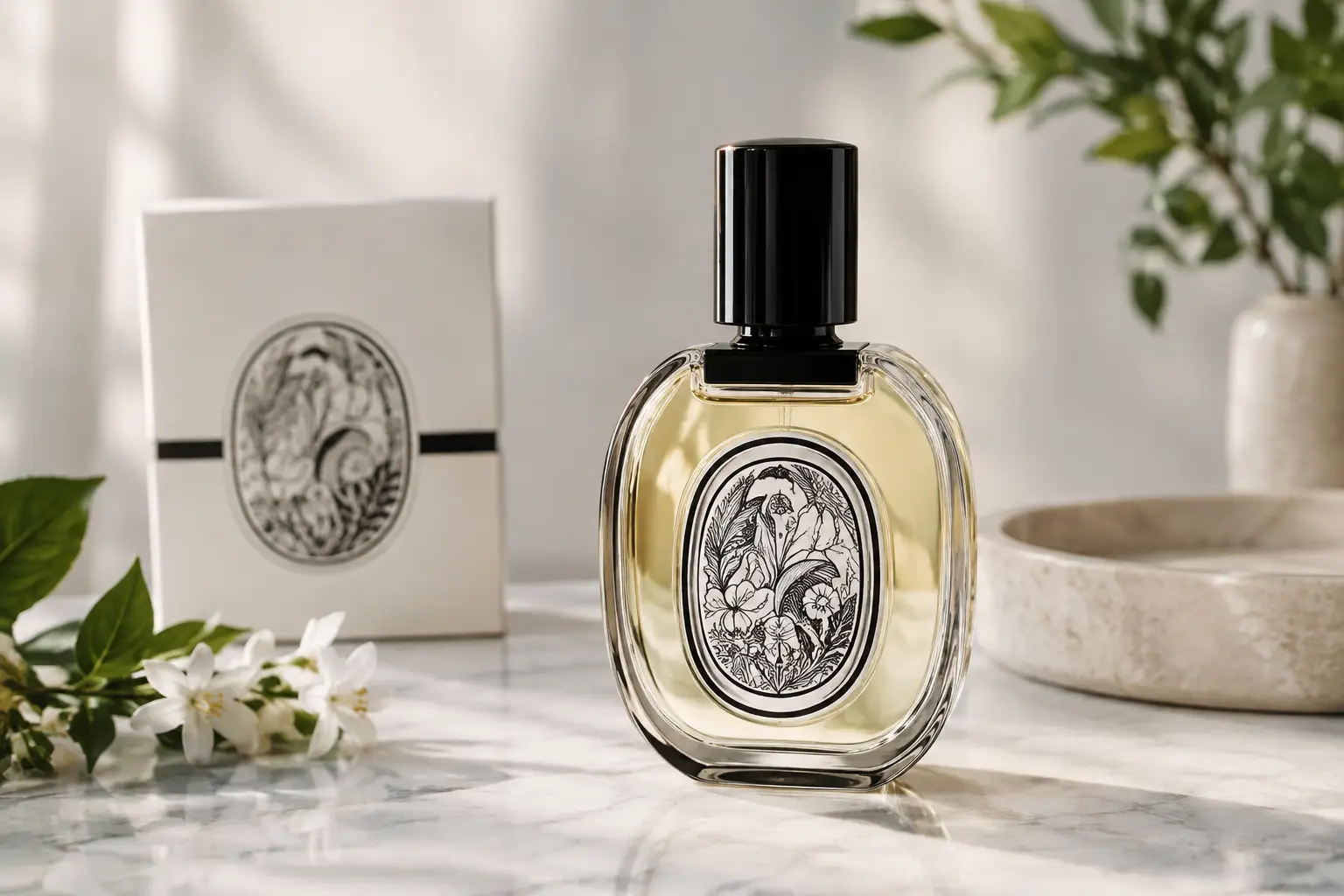
A Diptyque fragrance rarely enters a room before you do. It sits closer to the skin, then reveals itself in polished layers: a rose with a green stem, a fig leaf warmed by sun, a clean floral softened by musk. That restraint is exactly why this French house has earned a devoted following. In this Diptyque perfume review, we look at what makes the brand distinctive, which scents deserve attention, and whether its quiet luxury is worth the investment.
Diptyque began in Paris with an artistic point of view that still shapes its fragrances. Rather than chasing loud, instantly recognizable perfume trends, the house often builds scents around a singular image, material, or memory. Think of crushed leaves, a garden at dusk, a favorite soap, or the dry wood of a well-appointed home. The result feels personal rather than performative.
This is niche fragrance with an approachable sensibility. Many Diptyque scents are elegant enough for a special dinner, yet understated enough for an office or a close conversation. They do not rely on a huge cloud of sweetness, sharp synthetic fruit, or an overwhelming base of amber. For shoppers who want a signature scent that feels refined instead of obvious, that is a meaningful advantage.
There is a trade-off. If your idea of value is maximum projection and all-day intensity from a single spray, certain Diptyque fragrances may feel too subtle. Their appeal lies in detail, texture, and the pleasure of catching the scent throughout the day. Skin chemistry, climate, and concentration also make a real difference.
Philosykos is the fragrance most people associate with Diptyque, and for good reason. It captures more than ripe fig fruit. The scent opens with green fig leaves and a creamy, lightly milky quality, then settles into soft woods and a clean, sunlit dryness. It smells like being beneath a fig tree rather than eating fig dessert.
This is an excellent choice for anyone who finds traditional fruity fragrances too sweet. Philosykos feels relaxed, artistic, and effortlessly put together. The Eau de Toilette is especially airy and green, while the Eau de Parfum adds more depth and creaminess. It shines in spring and summer, although the EDP can carry beautifully into early fall.
Do Son is a tuberose fragrance, but it is not the dense, dramatic white floral that can dominate a room. Tuberose remains the center, joined by orange blossom, jasmine, and a soft marine freshness. The effect is luminous, clean, and slightly salty.
For someone who loves the romance of florals but wants a modern finish, Do Son is among the most wearable options in the collection. It has enough presence for evenings, weddings, and dressed-up occasions, yet it avoids feeling overly formal. Those who prefer crisp woods, citrus, or traditionally masculine cologne styles may find the floral character too prominent.
Eau Rose avoids the powdery, old-fashioned rose perfume stereotype. It presents rose as fresh petals, green stems, and a trace of fruit, creating a scent that feels natural and bright. In the Eau de Parfum, chamomile and artichoke add a more unusual vegetal dimension, while the Eau de Toilette stays lighter and more transparent.
This is a compelling rose for everyday wear because it does not announce itself as a grand floral statement. It feels polished with denim, a white shirt, or an evening outfit that needs a soft finishing touch. If you prefer dark, spicy, jammy rose scents, however, Eau Rose may be too delicate and fresh.
Tam Dao is often the safest starting point for a wood fragrance lover. Sandalwood is the focus, supported by cedar, cypress, and subtle spice. The overall impression is creamy, dry, and meditative rather than smoky or aggressively masculine.
Its versatility is a major strength. Tam Dao works in cool weather, climate-controlled offices, and intimate evening settings. It can read as masculine, feminine, or entirely unisex depending on the wearer. Choose the Eau de Parfum for a warmer, richer sandalwood experience; choose the Eau de Toilette if you want a drier, more pencil-shaving-like cedar profile.
Orphéon has become a modern favorite because it balances familiarity with character. Juniper berry, cedar, tonka bean, and jasmine create a scent that is clean and slightly musky, with the warmth of polished wood and a trace of vintage cosmetic powder. It is sophisticated without feeling precious.
If you want one Diptyque perfume that can move from weekday meetings to date night, Orphéon is a strong contender. It has more noticeable warmth and staying power than some of the house’s lighter compositions, though it still wears close compared with many bold designer eau de parfums.
Diptyque performs differently across its range, so a blanket verdict would not be useful. Most Eau de Toilettes offer moderate longevity, often around four to six hours, with gentle projection. They are designed to feel intimate and refreshed, making reapplication a natural part of the experience rather than a flaw.
The Eau de Parfums generally provide more depth and persistence, commonly lasting six to eight hours or longer on moisturized skin. Orphéon, Tam Dao EDP, Eau Rose EDP, and Do Son EDP tend to offer a more substantial presence than their EDT counterparts. Philosykos, particularly in the EDT, can feel fleeting on dry skin, but its airy quality is central to its charm.
If you want your fragrance to last, apply it to moisturized skin at pulse points and lightly mist clothing from a respectful distance. A fragrance-free lotion helps slow evaporation without competing with the perfume itself. In hot weather, lighter Diptyque scents often bloom beautifully, while richer choices like Tam Dao and Orphéon gain elegance in cooler air.
Diptyque is worth the price when you value composition over sheer volume. You are paying for thoughtful materials, a recognizable house style, and fragrances that feel composed rather than mass-produced. The bottles and labels also have a timeless, gift-worthy appeal, which matters if you see fragrance as part of your personal presentation.
Still, value is personal. A shopper seeking enormous projection, ten-plus-hour performance, or a highly dramatic scent may be better served by a richer amber, extrait, or high-impact designer fragrance. Diptyque is not trying to win a contest for the loudest perfume in the room. It is for the person who appreciates being remembered only after someone moves closer.
For a smart purchase, begin with the scent family you already wear. Choose Philosykos if you favor green, creamy freshness; Do Son or Eau Rose for florals; Tam Dao for woods; and Orphéon for a warm, clean signature. An Eau de Toilette makes sense for daytime freshness and warm climates, while an Eau de Parfum is usually the better choice if you want greater depth and longevity.
Diptyque suits fragrance lovers who want their scent to feel like an extension of good taste, not a billboard. It is especially appealing for professionals, minimalists, and gift buyers who want something luxurious without guessing at a trend-heavy, overly sweet composition. The line is also notably strong for those building a wardrobe of scents for different moods rather than relying on one all-purpose bottle.
At Gotham Fragrances, the appeal is simple: authentic luxury fragrance should feel attainable. A well-chosen Diptyque perfume can become part of a daily ritual – the final detail before work, a dinner reservation, a weekend escape, or an occasion worth remembering.
The best Diptyque scent is not necessarily the best-known one. It is the one that makes you pause after the first spray, then reach for it again because it feels unmistakably like you.
Post Tags :
Share :