
✦ GOTHAM FRAGRANCES — All Name Brand Colognes & Perfumes!
Free Shipping on all orders over $80.00
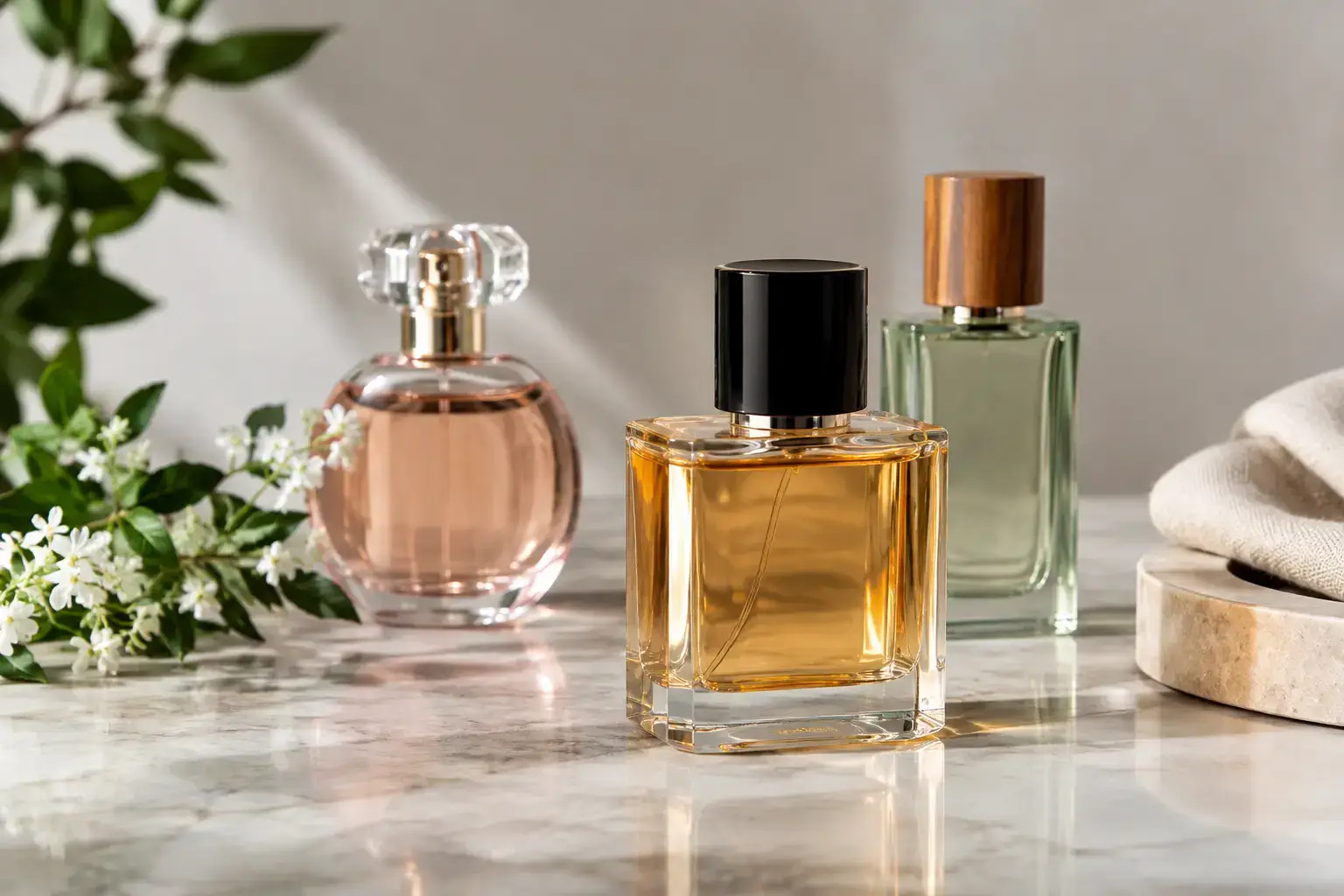
A fragrance can be beautifully made and still be the wrong purchase. That is the real question behind are niche fragrances worth it: not whether a bottle is expensive or exclusive, but whether it gives you an experience a familiar designer scent cannot. For some people, a niche fragrance becomes a signature – personal, memorable, and quietly luxurious. For others, the extra cost buys more complexity than they actually want to wear.
The best answer is not a simple yes or no. Niche perfume can be worth every dollar when its character, quality, and emotional pull match your style. It is less worthwhile when rarity becomes the only reason to buy, or when you are paying for a name without enjoying the scent on your skin.
“Niche” generally refers to fragrance houses that put perfume at the center of their identity. Unlike many designer brands, which may also create fashion, handbags, cosmetics, or watches, niche houses are often built around scent itself. Their collections can be more focused, more experimental, and less concerned with creating a universally pleasing crowd favorite.
That does not mean every niche fragrance is automatically better than every designer fragrance. Dior, Chanel, Tom Ford, and Armani have created exceptional scents with lasting influence. The distinction is more about creative approach than a guaranteed level of quality.
Niche perfumers often have more freedom to explore unusual materials and structures. You may find smoky incense paired with clean musk, salted fig against sun-warmed woods, plush rose with dark patchouli, or a leather accord softened by vanilla. These perfumes can feel more textured and distinctive than a typical fresh citrus or sweet amber release.
For a fragrance lover who is tired of smelling the same popular notes everywhere, that creative freedom is part of the appeal.
A higher price can be justified, but it should be earned. Niche fragrances may cost more because of smaller production runs, more specialized distribution, premium packaging, higher concentrations of fragrance oil, or the use of costly natural materials. Some houses also invest heavily in artistic direction and collaborations with respected perfumers.
Still, price alone does not measure beauty, longevity, or quality. A $300 bottle can disappear after two hours on one person, while a well-made designer eau de parfum may last all day. Natural ingredients can be exquisite, but they can also be delicate, inconsistent, or subtle. Synthetic materials are not inherently inferior either – many are essential to modern perfumery and can create remarkable projection, clarity, and longevity.
The value is strongest when you are paying for something you genuinely cannot replace. Perhaps it is a cedar-and-iris scent that feels like tailored cashmere, a luminous floral that makes you feel polished before a dinner reservation, or an incense fragrance that turns an ordinary cold morning into a ritual. If it feels special every time you wear it, the bottle is more than an accessory.
On the other hand, if you only reach for it because it is rare, the cost per wear becomes hard to defend. Luxury should feel satisfying, not like a shelf trophy you are afraid to use.
A fragrance does not need to be worn daily to be a smart purchase. A rich, dramatic scent may be reserved for evenings, celebrations, or winter weather, and still be deeply worthwhile. But it should have a real place in your life.
Consider how often you will reach for it, how many sprays you need, and whether it works with your wardrobe and routines. A 100 ml bottle is a major commitment if you enjoy variety. In that case, a smaller size or a carefully selected sample may offer more pleasure and less pressure.
For gift buyers, this is especially important. A niche scent can be an impressive gesture, but personal taste matters more than prestige. A recognizable luxury fragrance with a polished, versatile profile is often the safer choice unless you know the recipient’s preferences well.
The most compelling niche fragrances tend to reveal themselves over time. Their opening may be unexpected, their heart may shift noticeably after an hour, and their dry down may linger close to the skin in a way that feels intimate rather than loud. This evolution can make wearing perfume feel more personal.
That said, “challenging” is not the same as sophisticated. A fragrance with animalic notes, sharp smoke, medicinal woods, or intensely earthy patchouli may be fascinating, but it may not suit your office, your climate, or your comfort level. A scent should make you feel more like yourself, not like you are performing for a fragrance forum.
Designer scents often excel at balance. They can be elegant, easy to wear, and immediately flattering, which is exactly why so many become modern classics. Niche perfume tends to offer a narrower and more individual point of view. Neither approach is superior. The right one depends on whether you want a dependable finishing touch or a more expressive scent wardrobe.
There is no reason to treat designer fragrance as a stepping stone to niche. Many shoppers want a sophisticated scent that feels luxurious, earns compliments, and works from a weekday meeting to a weekend dinner. Established designer houses are exceptionally good at delivering that kind of versatility.
A designer fragrance may be the better value when you want an easy signature scent, are buying blind, or prefer familiar profiles such as crisp citrus, airy florals, warm vanilla, clean woods, or fresh aromatic notes. It can also be the practical choice if you want a larger bottle at a more accessible price.
At Gotham Fragrances, a curated mix of designer, luxury, and niche options makes it easier to compare styles rather than assume one category is automatically more refined. A discounted prestige fragrance you wear constantly can be a far better investment than an expensive niche bottle that remains unopened.
Start with the fragrances you already finish, not just the ones you admire. If you consistently love warm woods, creamy florals, citrusy fresh scents, or dark ambers, use that pattern as your guide. A niche fragrance can take you somewhere new, but it should still connect with what you enjoy.
Whenever possible, test before committing to a full bottle. Wear a sample on skin for an entire day, not merely on a paper strip. Body chemistry, weather, and even the amount applied can change how a perfume performs. Give the opening at least 20 minutes to settle, then notice how it feels after several hours.
Pay attention to more than compliments. Ask whether the scent fits your pace and personality. Does it feel right at work? Would you wear it on a date? Does it become more appealing as the day goes on? A fragrance that feels beautiful only for the first five minutes is rarely the one you will treasure.
It also helps to consider concentration and season. An extrait or intense eau de parfum may offer richness and depth, but a lighter eau de toilette could be more comfortable in humid summer weather. Powerful projection is not always a sign of quality. Sometimes the most elegant scent is the one people notice only when they are close.
Niche fragrance is worth it when it gives you a sense of individuality that lasts beyond the first spray. It should feel considered, not complicated for its own sake; luxurious, not inaccessible; and exciting enough that you look forward to wearing it again.
The most memorable bottle is not necessarily the most expensive, rarest, or most talked about. It is the one that becomes part of your presence – a quiet detail that makes an ordinary moment feel distinctly your own.
Post Tags :
Share :