
✦ GOTHAM FRAGRANCES — All Name Brand Colognes & Perfumes!
Free Shipping on all orders over $80.00
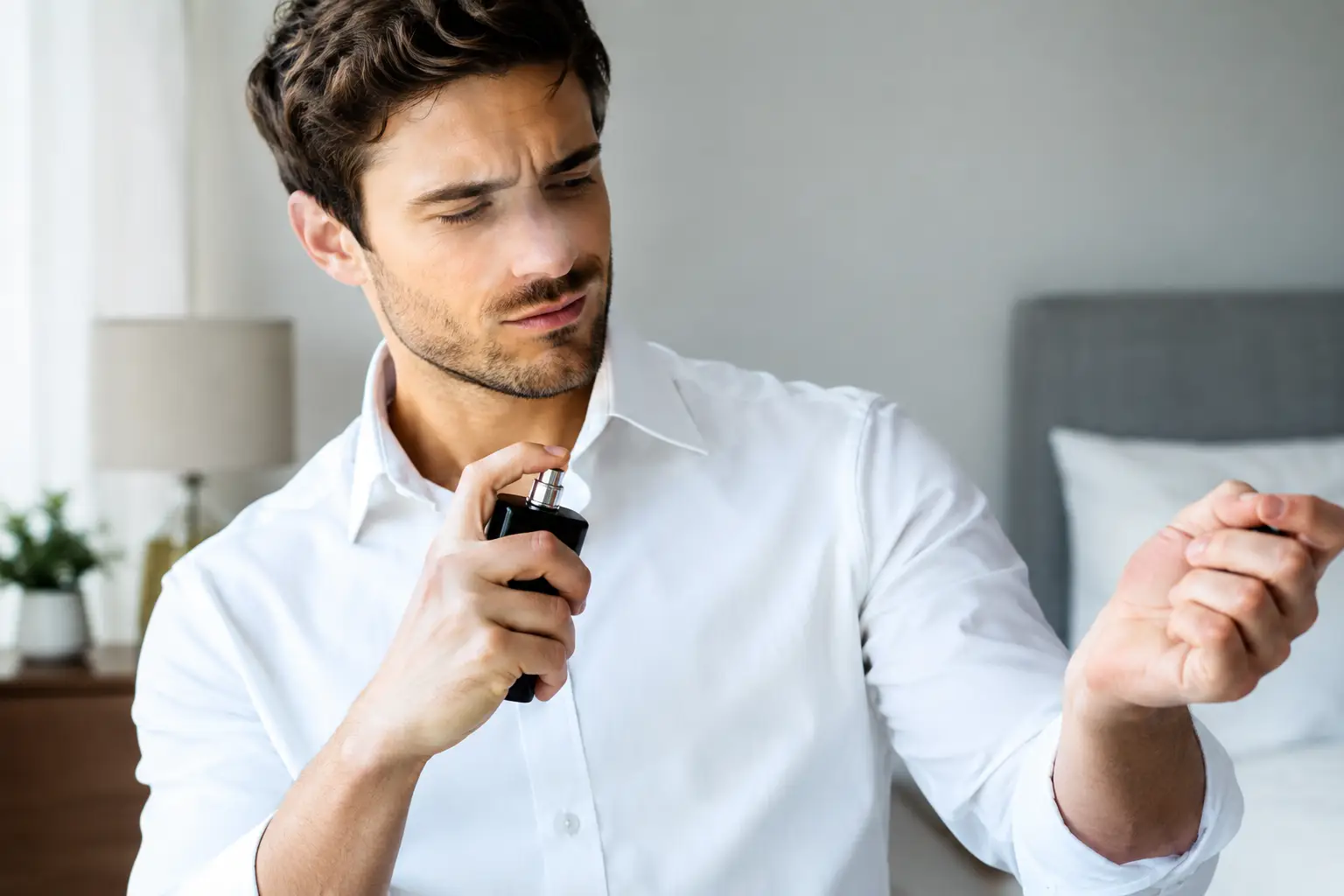
A scent that felt polished and magnetic at breakfast can seem to disappear before lunch. If your cologne fading quickly has become a daily frustration, the bottle may not be the problem. Fragrance performance is shaped by concentration, skin chemistry, weather, application technique, and even the notes in the composition.
The good news is that better longevity does not always mean applying more. A few thoughtful adjustments can help your signature scent stay closer, longer, and with the kind of refined presence that makes people lean in.
Cologne does not simply sit on the skin at full strength all day. It unfolds in stages. The opening notes make the first impression, often with bright citrus, crisp herbs, fresh fruits, or airy aromatics. These materials are naturally volatile, meaning they evaporate faster. What remains is the heart and base: woods, amber, musk, vanilla, patchouli, leather, resins, and other deeper notes that tend to last longer.
That means a fragrance can feel as though it has vanished when the sparkling opening has faded, even though its softer base is still there. Before deciding a scent has no staying power, ask someone you trust whether they can still detect it from a close conversational distance. Your own nose adapts quickly to familiar smells, a phenomenon often called nose blindness. Constant sniffing of your wrist makes this effect even more likely.
Skin type also matters. Fragrance generally holds better on well-moisturized skin because oils give scent molecules something to cling to. Dry skin can absorb and diffuse fragrance more quickly, especially in winter, after a hot shower, or in air-conditioned environments. Body chemistry varies too. The same designer scent can feel warm and long-lasting on one person, then clean and fleeting on another.
Fragrance concentration is a useful clue, though it is not a guarantee of performance. Eau de Cologne and many eau de toilette formulas are designed to feel lighter, brighter, and more refreshing. They are ideal for the office, the gym, a casual afternoon, or hot weather, but a reapplication later in the day may be part of their intended wear.
Eau de parfum typically contains a higher concentration of fragrance oils and often has more substantial base notes. It may last longer, project more noticeably, or both. Parfum and extrait formulas can be richer still, usually with a smoother, more intimate trail. Yet a highly concentrated fragrance is not automatically the best choice. A powerful amber, oud, or gourmand scent can overwhelm a small room, while a refined citrus eau de toilette may be exactly right for a summer lunch.
Think about the result you want. If you want a scent that announces itself at first, look for fresh aromatic or citrus profiles and accept that they may wear closer after a few hours. If you want a longer, more enveloping impression, explore compositions with sandalwood, vetiver, tonka bean, amber, incense, musk, or vanilla in the base.
How you apply cologne can make a meaningful difference. Start with clean, moisturized skin. An unscented lotion is often the easiest option because it adds hydration without competing with the fragrance. Apply it a few minutes before spraying, once it has absorbed.
Pulse points are popular for a reason. The warmth of the neck, inner elbows, and wrists can help fragrance bloom naturally. But wrists are also washed frequently and rub against clothing, desks, steering wheels, and one another. If wrist application seems to disappear, try the sides of the neck or the chest beneath a shirt instead.
Avoid rubbing your wrists together after spraying. It does not destroy every note, but it can disturb the opening and make the fragrance develop differently than intended. A clean spray and a little patience create a more faithful wear.
For extra longevity, one or two sprays on clothing can help, particularly on natural fibers like cotton, wool, or cashmere. Test discreetly first. Some darker or oil-rich fragrances may mark delicate fabrics, silk, or light-colored garments. Hair can hold scent beautifully as well, but direct alcohol-heavy spraying may be drying. A light mist into the air, then walking through it, is the gentler approach.
Heat makes fragrance evaporate faster, which is why a cologne can seem vibrant outdoors and quieter shortly afterward. Humidity, sweat, wind, and frequent movement all change the way a scent travels. Summer calls for a different expectation than a cool evening in fall.
Cold weather creates its own challenge. Skin is often drier, and heavy layers can trap a fragrance beneath clothing. In this setting, moisturized skin and one light spray on a scarf or sweater, after testing for staining, can make a noticeable difference. Rich woods, spices, amber, and vanilla tend to feel especially at home in cooler air.
Your routine matters, too. Strongly scented body wash, deodorant, laundry products, and hair products can blur a fragrance or compete with it. If you are wearing a statement cologne, keeping the rest of your grooming products relatively neutral allows its character to come through clearly.
Authentic fragrance can lose some freshness if it has been stored poorly. Heat, direct sunlight, and dramatic temperature swings gradually affect the composition. A bathroom shelf may be convenient, but steam and warmth are not ideal companions for fine fragrance.
Store bottles upright in a cool, dark cabinet or drawer, preferably in their original box if you have the space. There is no need to refrigerate most fragrances, and repeated temperature changes can be less helpful than a stable room-temperature spot. Keep the cap secured and avoid leaving the bottle in a hot car.
If a scent suddenly smells sour, unusually sharp, discolored, or dramatically different from what you remember, it may have oxidized. More often, however, the issue is expectation. A fresh, transparent scent may be performing exactly as designed, just without the weight of a dense evening fragrance.
The goal is not to leave a trail through every room. The most elegant fragrance wear feels intentional: present when someone is near, memorable after the moment has passed, and never louder than your personality.
Begin with two to four sprays, depending on the strength of the formula and the setting. A lighter eau de toilette may welcome a modest refresh in the afternoon. A concentrated eau de parfum may need only one or two sprays for dinner. If you cannot smell it after an hour, resist the urge to keep adding more until you have checked for nose blindness. Others may be enjoying the scent more than you realize.
Layering can be effective when it is simple. Use an unscented moisturizer, then wear the fragrance alone. If a matching body lotion is available, it can reinforce the same scent profile, but avoid layering several unrelated fragrances at once. Citrus over creamy vanilla may be beautiful; sharp aquatic notes over heavy oud may feel less harmonious. It depends on the formulas and the occasion.
When choosing your next bottle, let performance be one part of the decision, not the whole story. A fragrance should suit your style, skin, and life. Gotham Fragrances makes it easier to compare authentic designer and niche options, whether you want a clean everyday scent, a confident date-night fragrance, or a deeper composition built for lasting allure.
A cologne that wears close is not necessarily a disappointment. Sometimes it is a quiet luxury: a scent reserved for the people close enough to remember it.
Post Tags :
Share :