
✦ GOTHAM FRAGRANCES — All Name Brand Colognes & Perfumes!
Free Shipping on all orders over $80.00
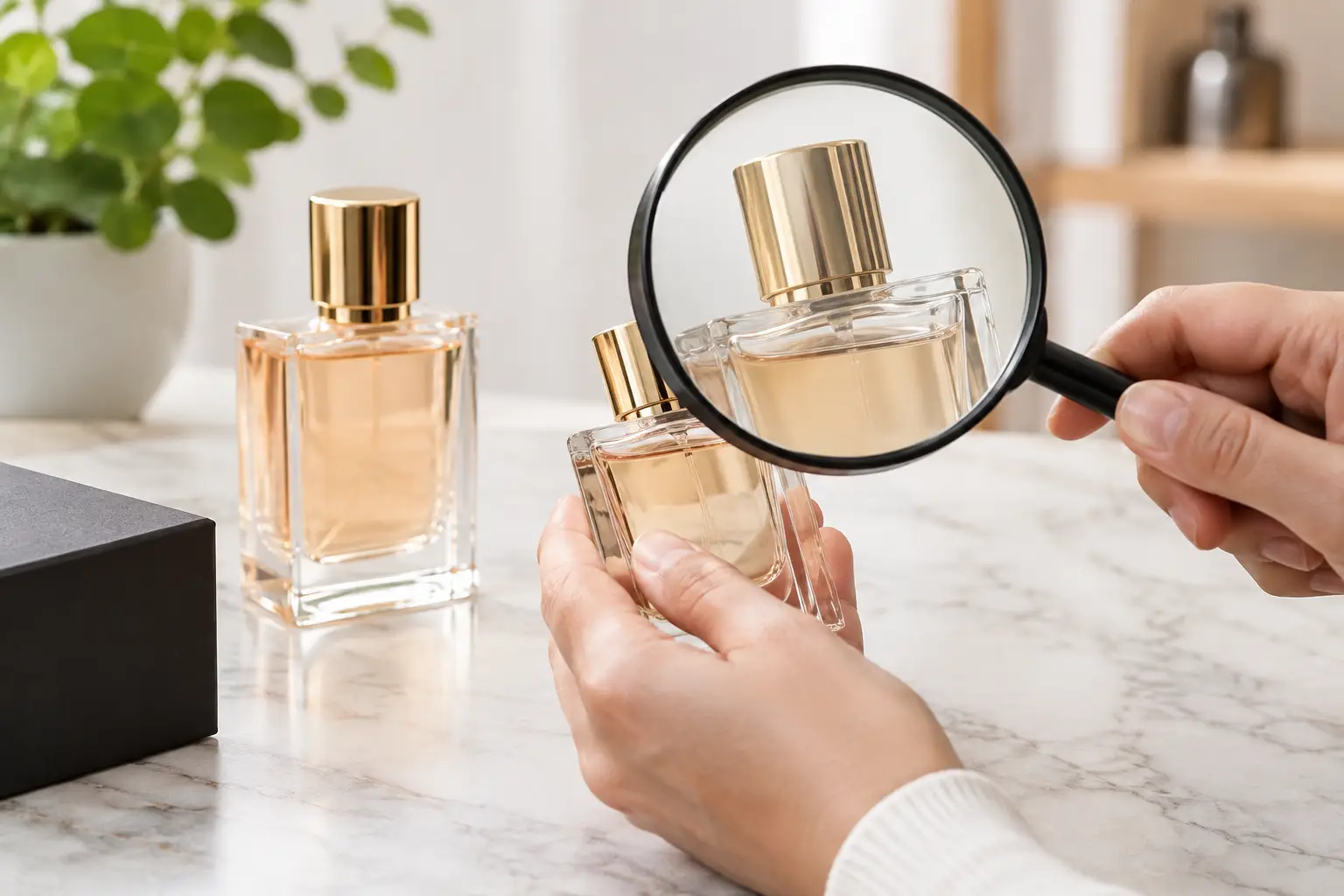
A luxury fragrance should feel like a considered indulgence, not a guessing game. Knowing how to identify fragrance counterfeits protects more than your wallet: it protects the scent experience, the confidence of gifting, and the quality you expect from a designer or niche bottle.
Counterfeit fragrances have become more convincing at first glance. A box may carry a familiar logo, a bottle may resemble the original, and a price may look almost believable. The details tell the real story. Learn to assess the seller, packaging, bottle, and fragrance itself together rather than relying on one quick test.
The easiest way to avoid a fake is to buy from a retailer with a clear reputation for selling authentic fragrance. A legitimate retailer should provide recognizable brand names, secure checkout, clear return policies, responsive customer service, and transparent shipping information. A polished social media profile alone is not proof of legitimacy.
Be especially cautious when a seller uses urgency to prevent questions: “only today,” “no returns,” “factory exclusive,” or claims that a currently popular luxury release is available at a price far below every established retailer. Great fragrance discounts exist, particularly on established releases, gift sets, and seasonal promotions. But an unbelievable price on a new, hard-to-find scent deserves a closer look.
Marketplace listings require additional care because the platform is not always the seller. Read recent seller feedback, look for consistent product photography, and pay attention to whether the listing identifies the exact concentration and size. “Type,” “inspired by,” or “version of” may signal a fragrance interpretation rather than the designer original.
At Gotham Fragrances, the goal is simple: make the pleasure of premium scent more accessible without asking customers to compromise on authenticity.
Packaging is often the first physical clue, though it should never be your only one. Luxury brands can update cartons, bottle finishes, and logo placement over time, so a small variation does not automatically mean a fragrance is counterfeit. Look for a pattern of poor execution instead.
Authentic fragrance packaging usually feels precise. The cellophane should be cleanly fitted and tightly sealed, with neat folds rather than loose, wrinkled plastic or excess glue. The carton should feel sturdy, with crisp printing and colors that appear intentional rather than faded, overly glossy, or uneven.
Inspect the text closely. Misspellings are a serious warning sign, but so are awkward spacing, blurry lettering, inconsistent fonts, and logos that look slightly stretched or too bold. Designer houses are meticulous about their visual identity. A carton that looks rushed usually is.
That said, do not reject a fragrance solely because it arrives without cellophane. Some testers, display units, and certain retail formats may not be wrapped in the same way as standard boxed merchandise. The listing should clearly disclose what you are purchasing.
Most authentic fragrance bottles and boxes feature a batch code, often printed, stamped, or laser-etched near the bottom. In many cases, the code on the bottle should match the code on the box. A missing code, a sticker that peels away easily, or a visibly crooked print can be cause for concern.
Still, batch codes are not a stand-alone authentication tool. Counterfeiters can copy them, and brands may change how codes are formatted. Use the code as one piece of evidence alongside the construction of the bottle and the reliability of the retailer.
A genuine fragrance bottle is designed to feel elegant in the hand, whether it is a sculptural statement piece or a minimal glass rectangle. Counterfeits often imitate the silhouette well but miss the finishing details that create a premium impression.
Start with the glass. Authentic bottles generally have smooth seams, balanced proportions, and a clean base. Tiny bubbles, sharp or uneven edges, cloudy glass, or poorly aligned labels may indicate inferior manufacturing. Check the cap as well. It should sit securely and align properly. While cap weight varies by brand, a cap that feels flimsy, loose, or oddly shaped deserves scrutiny.
The atomizer provides another useful clue. A quality sprayer produces a fine, even mist that distributes fragrance gracefully. A counterfeit may spray in a narrow stream, drip around the collar, sputter, or require excessive pressure. One imperfect spray does not prove anything, especially if a bottle has been stored improperly, but several physical flaws together are meaningful.
Pay attention to engraved or printed details on the base. The product name, concentration, volume, and origin information should be clean and consistent with the box. For example, “eau de parfum” and “eau de toilette” are not interchangeable. If the bottle claims one concentration while the carton claims another, treat it as a major red flag.
The scent inside the bottle is ultimately the point. Authentic fragrance is built in stages. The opening may be bright and immediate, but it should develop through a recognizable heart and settle into a lasting base. A fake often smells overly alcoholic, flat, harsh, or sweet in a one-dimensional way from the first spray to the last.
Do not judge a fragrance only in the first 30 seconds. Alcohol is present in genuine perfume, and shipping conditions can affect the opening briefly. Apply one spray to clean skin or a testing strip, then revisit it after 10 minutes, 30 minutes, and a few hours.
A counterfeit may disappear with surprising speed, or it may remain loud but synthetic with no evolution. Authenticity does not always mean enormous longevity, however. Fresh citrus colognes, airy florals, and delicate skin scents are often designed for a softer wear than rich ambers, ouds, or extrait concentrations. Performance should be evaluated against the fragrance style, concentration, and your own skin chemistry.
Color is another imperfect clue. A dramatic difference from an expected hue can be concerning, but fragrance liquids naturally vary slightly across batches and can deepen with age. Storage matters too. Heat, sunlight, and oxygen can alter a real fragrance without making it fake.
A single detail can have an innocent explanation. Several warning signs in the same purchase are much harder to dismiss. Pause before opening or wearing a fragrance if you notice four or more of these issues:
Photography can make these checks harder online. Before purchasing, examine every image provided, including the bottom of the bottle and carton when available. If the listing uses only generic stock images, vague product descriptions, or no return terms, the savings may not be worth the uncertainty.
Document what you received before throwing away the packaging. Take clear photos of the bottle, box, batch codes, labels, and any visible flaws. Keep your order confirmation and note the seller’s stated return policy. If you bought through a marketplace, submit a claim promptly and use the platform’s buyer-protection process where available.
Avoid wearing a product you strongly suspect is counterfeit, particularly if it causes irritation or smells unusual. Fake fragrances can be made with unknown ingredients and may not meet the quality controls expected from established fragrance houses. If you experience redness, burning, or another skin reaction, wash the area with mild soap and water and discontinue use.
For gifts, buy early enough to inspect the presentation before the occasion. That small margin of time gives you the freedom to resolve a concern without turning a thoughtful gesture into a last-minute scramble.
A beautiful fragrance is meant to become part of a memory: the confidence before a dinner reservation, the quiet luxury of a morning ritual, the signature scent someone associates with you. Choose a retailer you can trust, inspect the details with a discerning eye, and let every spray feel as authentic as the impression you intend to leave.
Post Tags :
Share :