
✦ GOTHAM FRAGRANCES — All Name Brand Colognes & Perfumes!
Free Shipping on all orders over $80.00
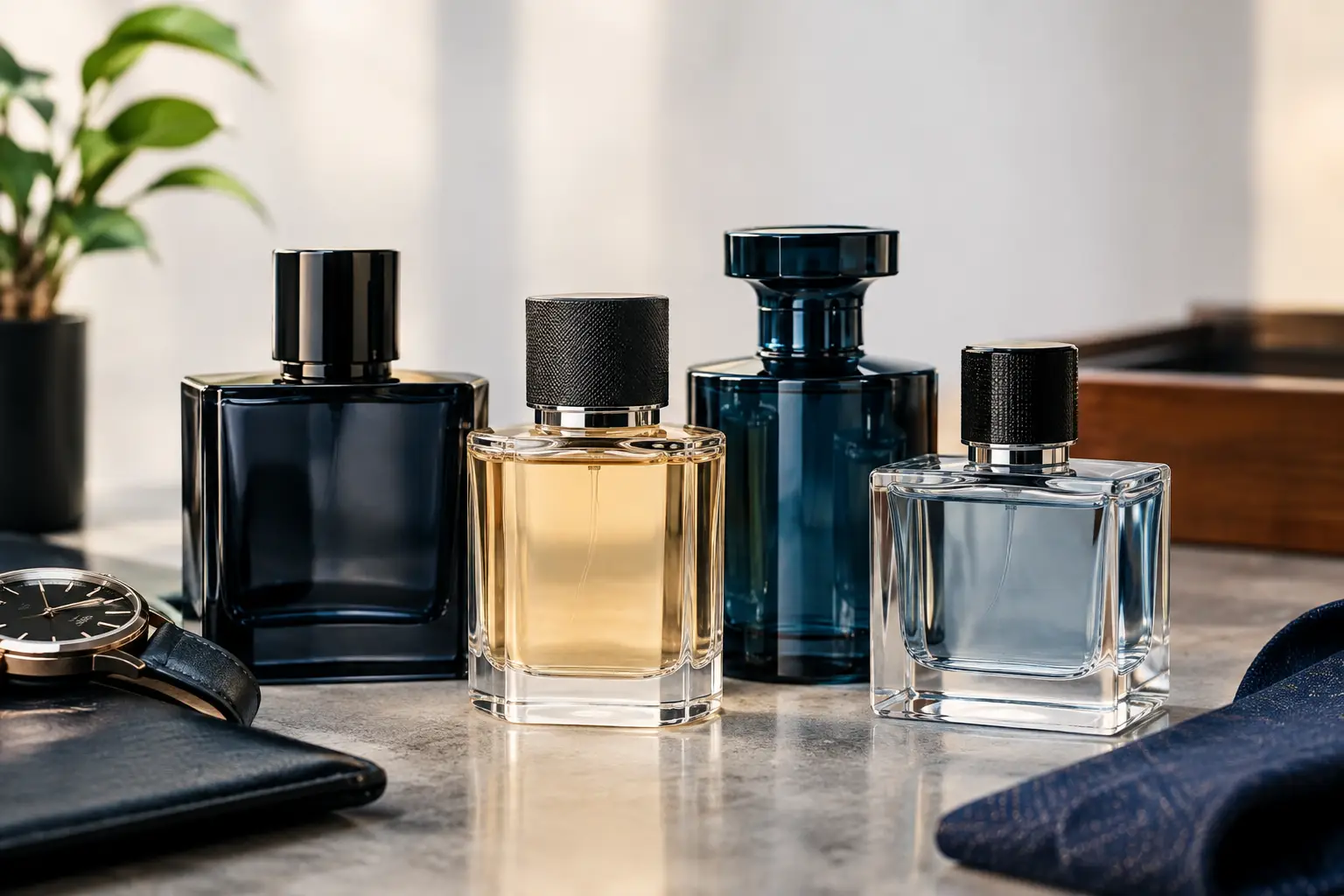
A man’s fragrance no longer needs to announce itself from across the room to make an impression. The most compelling men’s fragrance trends favor presence over volume: a polished trail of wood, citrus, spice, or warm skin-like musk that feels intentional long after the first spray. For the modern collector, fragrance is less about finding one signature bottle and more about choosing the right expression for the moment.
That shift is changing what earns a place on the shelf. Classic designer compositions still matter, but shoppers are increasingly drawn to scents with contrast, texture, and a point of view. Think clean freshness with mineral depth, rich woods softened by vanilla, or an unexpected gourmand note handled with restraint.
For years, masculine fragrance was often organized into familiar lanes: blue fresh scents for daily wear, heavy woods for evening, and sharp colognes for warm weather. Those categories remain useful, but the lines between them are becoming more interesting. A fresh fragrance may carry incense or amber. A sweet scent may be grounded with leather or vetiver. A traditionally formal woody fragrance can feel remarkably easy in daylight when balanced with bergamot or airy musks.
This is good news for anyone who has felt boxed in by fragrance labels. The goal is not to wear a scent because it is considered traditionally masculine. It is to wear something that suits your style, your setting, and the impression you want to leave. A tailored suit, worn-in denim, a beach weekend, and a date night all ask for different kinds of confidence.
Woody fragrances are not going anywhere, but the current preference is for woods with dimension. Sandalwood, cedar, vetiver, patchouli, and oud are appearing in smoother, more versatile compositions. Instead of smelling dry, severe, or overly smoky, they are often paired with creamy notes, bright citrus, aromatic herbs, or amber warmth.
Sandalwood is especially compelling because it can feel both polished and intimate. Cedar adds a clean, tailored edge, while vetiver brings an earthy, grassy refinement that works beautifully in the office or at dinner. Oud remains a statement note, though contemporary interpretations frequently make it more approachable with rose, saffron, vanilla, or fruit.
The trade-off is performance. Dense woods and amber can become overwhelming in a crowded restaurant or a warm office, particularly when oversprayed. Start with two or three sprays and let the fragrance settle on skin before deciding whether it needs more.
Fresh fragrance is evolving beyond the familiar shower-clean profile. Citrus, aquatic, and aromatic notes are still central to warm-weather dressing, but many new favorites add salt, mineral accords, green notes, tea, pepper, or soft woods to create a more memorable finish.
This matters because freshness alone can disappear quickly or feel interchangeable. A bergamot opening supported by vetiver and musk has more lasting character than a simple burst of lemon. A marine accord touched with ambergris-style notes or driftwood can feel refined rather than sporty. These details make a scent suitable for more than the gym or a casual Saturday afternoon.
For a versatile starting point, look for citrus paired with cedar, neroli with musk, or grapefruit with incense. These combinations stay crisp while giving the fragrance enough depth to carry from daytime meetings into evening plans.
Gourmand fragrances, built around edible or dessert-like notes, have become a major part of the conversation in men’s scent. Vanilla, tonka bean, cacao, coffee, cinnamon, chestnut, and caramel are no longer reserved for overtly sweet perfumes. In the right balance, they create warmth, sensuality, and an unmistakably memorable signature.
The best versions do not smell like a candle or a bakery. They use sweetness as texture. Vanilla may soften smoky woods. Coffee can sharpen a dark amber. Tonka adds an almond-like creaminess to lavender and spice. This is why a well-made gourmand can feel luxurious rather than youthful or overly casual.
These scents shine in cooler weather, at night, and in close social settings. They are often excellent choices for dates because warmth tends to invite people closer. Still, climate matters. A rich vanilla-amber composition that feels magnetic in November may feel heavy in July. If you love the category but live somewhere hot, choose a lighter variation with citrus, cardamom, or airy woods in the opening.
Not every memorable fragrance needs a dramatic sillage. Another defining trend is the rise of understated, skin-close scents built around clean musks, ambroxan, iris, soft woods, and subtle amber. They create the feeling of naturally good skin, expensive fabric, or a perfectly pressed shirt.
This quiet-luxury approach is especially appealing for work, travel, and everyday wear. It communicates care without taking over a room. It can also be a smart choice for people who work in close quarters or prefer fragrance that feels personal rather than performative.
The limitation is that these scents may not project as strongly as a spicy eau de parfum or a sweet amber. That is not a flaw if the goal is intimacy, but it is worth setting the right expectation. Test one on skin, not only on a paper strip. Skin scents reveal their appeal through the drydown, often an hour or two after application.
The strongest of the current men’s fragrance trends is practical: shoppers are building small scent wardrobes. One bottle can be a signature, but a thoughtful rotation gives you more freedom to dress by season, occasion, and mood.
A well-rounded collection does not need to be excessive. A bright citrus or aromatic scent covers daytime and warm weather. A woody or spicy fragrance handles professional settings and evenings. A richer amber, leather, or gourmand option brings depth for cold weather and special plans. If you enjoy niche perfumery, a distinctive fourth choice can be reserved for when you want something less expected.
Designer fragrances are often a smart foundation because they are versatile, polished, and easy to wear. Niche scents can add intrigue with bolder materials and more unusual structures. Neither is automatically better. It depends on whether you want a dependable complement-getter, a private signature, or a fragrance that feels like an accessory no one else at the table will be wearing.
Shopping from a curated retailer such as Gotham Fragrances makes that exploration more approachable, particularly when authentic prestige scents are available at prices that make a second or third bottle feel realistic rather than indulgent.
A trend should offer direction, not dictate your personality. Before choosing a new fragrance, consider when you will wear it and what you already own. If your shelf is full of fresh blue scents, a creamy sandalwood or restrained vanilla may add more value than another aquatic. If you tend toward dark, powerful fragrances, a mineral citrus or clean musk can become the bottle you reach for most often.
Pay attention to concentration as well. Eau de toilette can feel brighter and more effortless, especially in heat. Eau de parfum often brings greater richness and longevity, though it is not always stronger in every formula. The note structure, your skin chemistry, humidity, and spray count all affect performance.
Most of all, give the scent time. The opening is only the introduction. A great fragrance earns its place through the middle notes and drydown, when the composition becomes part of your skin and your presence. Choose the one that still feels right after the rush of the first spray has passed.
Post Tags :
Share :