
✦ GOTHAM FRAGRANCES — All Name Brand Colognes & Perfumes!
Free Shipping on all orders over $80.00
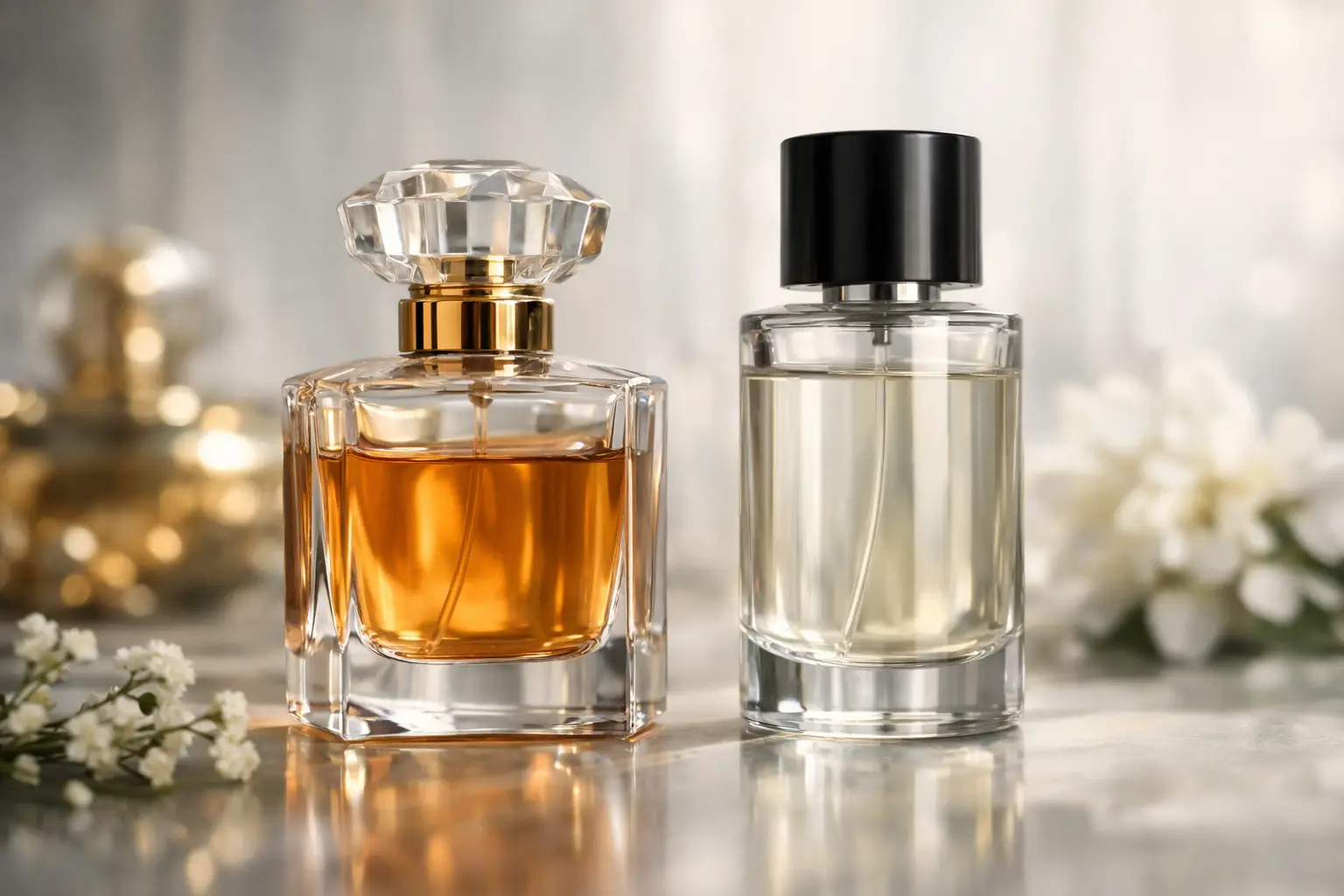
A fragrance can smell almost identical on first spray, then wear completely differently by lunch. That is usually where the question of parfum vs eau de parfum stops being technical and starts feeling personal. If you are choosing between the two, you are not just comparing labels. You are deciding how closely a scent should sit to the skin, how long it should last, how much presence you want it to have, and what kind of luxury feels right for your routine.
The simplest difference is concentration. Parfum contains a higher percentage of fragrance oils than eau de parfum, which usually gives it greater richness, longer wear, and a more intimate feel on skin. Eau de parfum still offers excellent longevity, but it often feels a touch lighter and more versatile for everyday use.
That sounds straightforward, but wearing fragrance is rarely that neat. Concentration affects performance, yet it does not tell the whole story. Ingredients, skin chemistry, climate, and formula style all influence how a fragrance actually behaves. A bright citrus eau de parfum may fade sooner than a dense amber eau de parfum, while a beautifully made parfum can feel softer than expected if the composition is built for subtle elegance rather than projection.
Parfum, sometimes called extrait de parfum, is the most concentrated form commonly sold in fine fragrance. It typically contains the highest ratio of aromatic oils, which gives it a fuller texture and often a slower, more graceful development on skin.
In practice, parfum tends to feel polished and composed. The opening is often less sharp than an eau de parfum, with fewer sparkling alcohol-driven edges. Instead, the scent can feel smoother from the first moment, as if the notes are already settling into place. For many fragrance lovers, that is part of the appeal. Parfum can wear like a private luxury rather than a public announcement.
It is also usually the more expensive option. Higher concentration, smaller bottle sizes, and more elevated positioning all play into the price. If you are buying parfum, you are often paying for depth, refinement, and longer-lasting wear rather than sheer volume.
Eau de parfum sits just below parfum in concentration and remains one of the most popular fragrance formats for a reason. It offers a strong balance of presence, longevity, and accessibility. For many shoppers, it is the sweet spot.
An eau de parfum usually gives you enough richness to feel luxurious, enough projection to be noticed, and enough versatility to work across day and evening. It is often easier to wear generously, and the larger bottle sizes can make more sense if you reach for the scent often.
This is also the concentration where many designer fragrances are best known. If you have worn modern favorites from houses like Dior, Tom Ford, Gucci, or Armani, there is a good chance your reference point for a fragrance “lasting well” is based on eau de parfum performance.
This is where parfum vs eau de parfum becomes more useful than the concentration chart. The real question is not only how much oil is in the bottle. It is how you want the fragrance to live on you.
Parfum often sits closer to the skin. That does not mean weak. It can be incredibly long-wearing, but the effect is usually more intimate than expansive. Someone near you may notice it beautifully, while someone across the room may not. It has a quiet confidence that feels especially elegant in formal settings, date nights, and moments when you want sophistication without obvious projection.
Eau de parfum often has more lift. It may announce itself a little more clearly in the first few hours and can feel better suited to offices, dinners, events, and everyday wear when you want your fragrance to have some movement. If parfum is velvet, eau de parfum is silk – still luxurious, just a touch more fluid and visible.
In most cases, parfum lasts longer than eau de parfum. That is the general rule, and it is true often enough to be useful. But it is not guaranteed.
A resinous, woody eau de parfum can outlast a delicate floral parfum if the ingredients naturally cling to skin better. Likewise, some parfums are formulated for softness and subtlety, not all-day projection. Longevity and sillage are related, but they are not the same thing. A scent can last for hours in a close skin bubble without radiating strongly.
If your goal is all-day wear with less need to reapply, parfum is usually the stronger candidate. If your goal is noticeable performance with flexible wear and a more approachable price, eau de parfum is often the better value.
Luxury fragrance is emotional, but purchasing is practical. When comparing parfum vs eau de parfum, price matters because the difference can be significant.
Parfum usually costs more upfront, and the bottles are often smaller. On paper, that can feel hard to justify. Yet if you use fewer sprays and wear it for special occasions, the bottle may last longer than expected. It can be a worthwhile investment if you love a fragrance deeply and want its most refined expression.
Eau de parfum often delivers better everyday value. It tends to be more affordable per ounce, easier to wear in more situations, and less intimidating if you like a more generous spray routine. For shoppers who want designer prestige, strong performance, and smart pricing, eau de parfum often makes the most sense.
That is one reason curated retailers like Gotham Fragrances appeal to experienced fragrance buyers and first-time luxury shoppers alike. When premium concentrations are available at more accessible prices, it becomes easier to choose based on preference rather than compromise.
It depends on how you wear fragrance, not just how much you love the scent.
If you want depth, elegance, and a closer-to-the-skin finish, parfum is likely the better fit. It suits evening wear, intimate settings, and anyone who sees fragrance as a personal signature rather than a room-filling accessory. It also appeals to collectors who enjoy subtle differences in texture and composition.
If you want versatility, stronger day-to-day practicality, and a better balance between performance and price, eau de parfum is hard to beat. It is often the right choice for work, travel, gifting, and building a wardrobe of recognizable luxury scents without stretching your budget too far.
There is also a middle ground. Some shoppers buy eau de parfum for regular wear and reserve parfum for one signature scent they want in its richest form. That approach gives you range without losing the pleasure of owning something truly elevated.
Two versions of the same fragrance are not always identical in spirit. Sometimes the parfum feels warmer, creamier, darker, or smoother. The eau de parfum may feel brighter, airier, or more energetic. Even when the note pyramid looks similar, the experience can shift.
That is why blind assumptions can disappoint. Higher concentration does not always mean better. Sometimes the eau de parfum is more vibrant and truer to what you love about the fragrance. Other times, the parfum adds depth and sensuality that makes the original feel unfinished by comparison.
If you already love a scent in eau de parfum, think about what you wish it did more of. If you want extra richness, longer wear, or a softer opening, parfum may be worth the step up. If you love the sparkle and easier presence of the eau de parfum, the parfum may feel too restrained or dense.
Before you decide, think about your actual wearing habits. Do you want something for daily confidence at the office, dinner out, and weekends? Eau de parfum is often the more natural fit. Are you looking for a signature with intimacy, polish, and lasting elegance? Parfum may feel more rewarding.
It also helps to consider season and setting. In warm weather, a strong parfum can feel heavier than you want, while an eau de parfum may breathe better. In colder months, parfum often shows its beauty more fully, especially with amber, gourmand, leather, and woody compositions.
The best fragrance purchase is not always the highest concentration. It is the one that fits your style, your pace, and the way you want to be remembered. If a scent makes you feel more like yourself the moment it settles on skin, that is usually your answer.
Fragrance is never just about strength. It is about character, mood, and the version of luxury that feels most natural when you wear it.
Post Tags :
Share :