
✦ GOTHAM FRAGRANCES — All Name Brand Colognes & Perfumes!
Free Shipping on all orders over $80.00
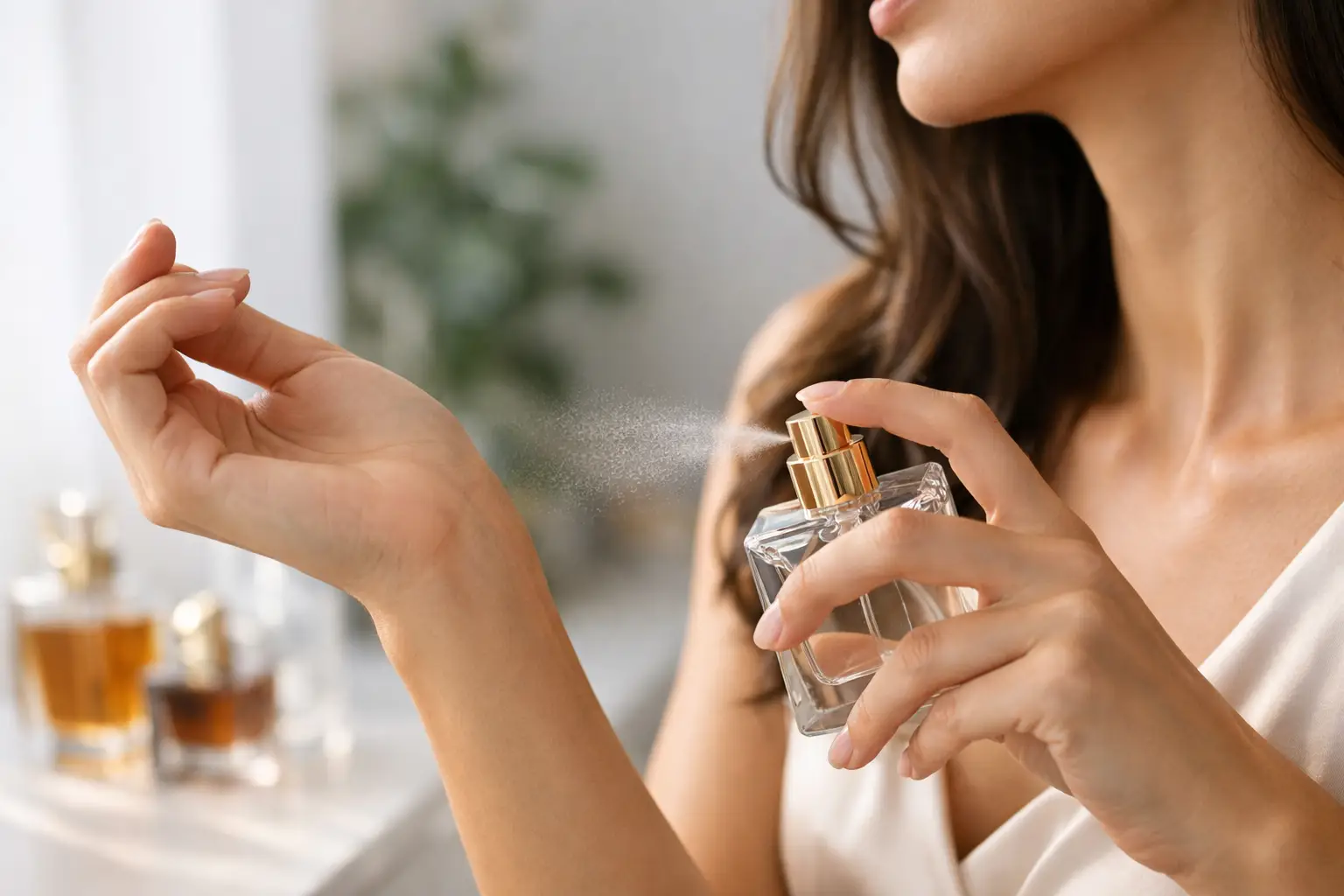
A fragrance can smell luminous and velvety on a blotter, then turn warmer, softer, or unexpectedly sharper on skin. That is perfume skin chemistry at work. Your natural skin oils, moisture level, body temperature, and even the products you apply before fragrance all influence the way a scent unfolds. It is why the perfume you loved on a friend may feel like an entirely different signature when you wear it.
This is not a reason to overthink every purchase. It is a reason to test fragrance with intention. Once you understand what affects wear, choosing a designer classic or a more distinctive niche scent becomes less mysterious and much more personal.
Perfume is a composition of aromatic materials suspended in alcohol, usually with a small amount of water and other stabilizing ingredients. When you spray it, the alcohol evaporates first. The fragrance materials then begin to lift from the skin at different speeds, creating the familiar progression from opening notes to heart notes to the lasting base.
Your skin does not completely reinvent the formula, but it does create the conditions in which that formula performs. Warm skin can make a fragrance bloom more quickly. Dry skin may absorb scent faster and leave it quieter after a few hours. Natural oils can make certain woods, musks, ambers, and resins feel richer or more persistent.
The idea that one person has a single fixed “pH” that determines every perfume result is too simple. Skin is more variable than that. Hydration, oil production, climate, medication, hormones, activity level, and skincare routines can all play a part. The goal is not to diagnose your chemistry. It is to notice your own wearing patterns.
Two people can wear the same eau de parfum and agree on its general character while experiencing noticeably different details. One may find a white floral creamy and elegant; another may notice a brighter, greener edge. A vanilla fragrance may read like soft cashmere on one person and a dark, smoky dessert on another.
Well-moisturized skin tends to hold fragrance longer than dry skin. Fragrance molecules have more to cling to, so the scent often wears with greater softness and continuity. Very dry skin can make a perfume seem fleeting, especially a light citrus, clean musk, or airy floral eau de toilette.
Natural skin oils can also amplify warmth. This can be beautiful with amber, sandalwood, patchouli, leather, and gourmand notes, but it may make a naturally intense composition feel stronger than expected. If a scent seems overwhelming on you, the answer may be fewer sprays rather than a different fragrance.
Heat encourages fragrance to evaporate and project. On a warm summer evening, the same scent that felt restrained in February may become far more noticeable. Pulse points such as the wrists, neck, and inner elbows are popular for a reason: they tend to radiate warmth.
There is a trade-off. Applying fragrance only to the hottest areas can create a dramatic opening but may shorten the life of delicate top notes. For a more refined scent trail, try one spray on the chest or collarbone area, where fabric and skin can help the fragrance linger without overwhelming the room.
Your shower gel, deodorant, body lotion, hair products, and laundry detergent all become part of the fragrance experience. A heavily scented coconut lotion beneath a fresh rose perfume will change the overall impression. A crisp citrus body wash can make an already sparkling cologne feel brighter, while a rich unscented cream gives the perfume room to speak for itself.
If you are testing a new fragrance, keep the surrounding products simple. Unscented moisturizer is especially helpful because it supports longevity without competing with the composition.
Skin can behave differently across seasons and even from one week to the next. Changes in hormones can affect oil production and body temperature. Exercise, stress, hydration, and diet may influence how warm your skin feels or how quickly a fragrance seems to dissipate. These effects are personal and often subtle, so avoid treating any one factor as a rule.
More often, the largest change is practical: a fragrance worn on a rushed morning, after a fragranced shower, in humid weather, may not resemble the same scent tested calmly on clean skin in a cool store.
A perfume deserves more than a five-second wrist test. The opening is only the introduction, and some of the most beautiful notes arrive after the first sparkle fades.
Start with clean, lightly moisturized skin. Apply one spray, or two for a lighter eau de toilette, and let it dry naturally. Do not rub your wrists together. Rubbing does not destroy every note, but it can create extra heat and disturb the way the opening develops, making the first impression less reliable.
Give the scent time. Smell it after about 10 minutes, then again after one to two hours. Notice three things: whether you enjoy the development, whether the projection suits your setting, and whether the dry-down still feels like you. A fragrance can be technically long-lasting but still be the wrong choice if its final woody, musky, or sweet base is not what you want to wear all day.
Try no more than two or three fragrances on skin in one visit. Your nose tires quickly, particularly around dense oud, leather, tuberose, and gourmand compositions. Testing fewer scents usually leads to a better decision than chasing every bottle at once.
Long wear begins with a fragrance style that fits your expectations. Eau de parfum generally has a higher concentration than eau de toilette, but concentration alone does not guarantee performance. Citrus, aquatic, tea, and sheer floral notes are designed to feel light and may naturally wear closer to the skin. Amber, vanilla, woods, spices, and musks often create more lasting presence.
For better longevity, moisturize first with an unscented lotion. Then apply fragrance to one or two pulse points and, if you want a subtle trail, lightly mist clothing from several inches away. Fabric can retain scent beautifully, though delicate materials such as silk may stain. Test an inconspicuous area first and keep fragrance away from jewelry.
Hair can carry a lovely scent trail, but spraying standard perfume directly on it every day may be drying because of the alcohol content. A light mist into the air before walking through it is gentler, though less precise. The most polished approach is restraint: let people notice your fragrance when they are near you, not before you enter the room.
Perfume skin chemistry matters, but personal taste matters more. Do not avoid a fragrance because someone says a certain note “does not work” on their skin. Use those opinions as a prompt to test, not a verdict.
If your skin runs dry and you prefer a scent with presence, consider compositions built around sandalwood, amber, tonka bean, vanilla, patchouli, or smooth musks. If you tend to find warm scents too intense, fresh bergamot, neroli, lavender, green tea, iris, marine notes, and clean woods can offer a more tailored effect. Floral lovers may prefer the brightness of orange blossom and peony for daytime, then move toward rose, jasmine, tuberose, or warm floral-amber blends after dark.
Occasion should shape the choice, too. A powerful fragrance may be exquisite for dinner, a date, or a winter event, yet feel excessive in a shared office or on a crowded flight. The most sophisticated collection includes options for close wear as well as statements for the moments that call for more allure.
Sometimes a perfume has not changed at all. Your nose has simply adapted to it. This is called olfactory fatigue, and it is especially common with musks, woods, and molecules designed to sit close to the skin. You may think your fragrance disappeared while others can still smell it.
Before applying more, ask someone you trust for an honest impression or smell the fabric near your collar later in the day. If the scent is still present, avoid overspraying. If it truly fades too quickly, add moisturizer, adjust your application placement, or reserve that fragrance for shorter occasions.
A bottle can also change if it has been stored in heat, direct sunlight, or a humid bathroom for a long time. Keep fragrances upright in a cool, dark place to preserve their character. Authentic luxury scents are made to be enjoyed, not hidden away, but thoughtful storage protects the experience you paid for.
Your fragrance should feel like a finishing touch, not a chemistry experiment. Test it on your own skin, give it a full day to reveal its character, and choose the version of luxury that feels unmistakably yours. Whether you are revisiting a timeless designer favorite or trying something new from Gotham Fragrances, the right scent is the one that wears with confidence and feels personal long after the first spray.
Post Tags :
Share :