
✦ GOTHAM FRAGRANCES — All Name Brand Colognes & Perfumes!
Free Shipping on all orders over $80.00
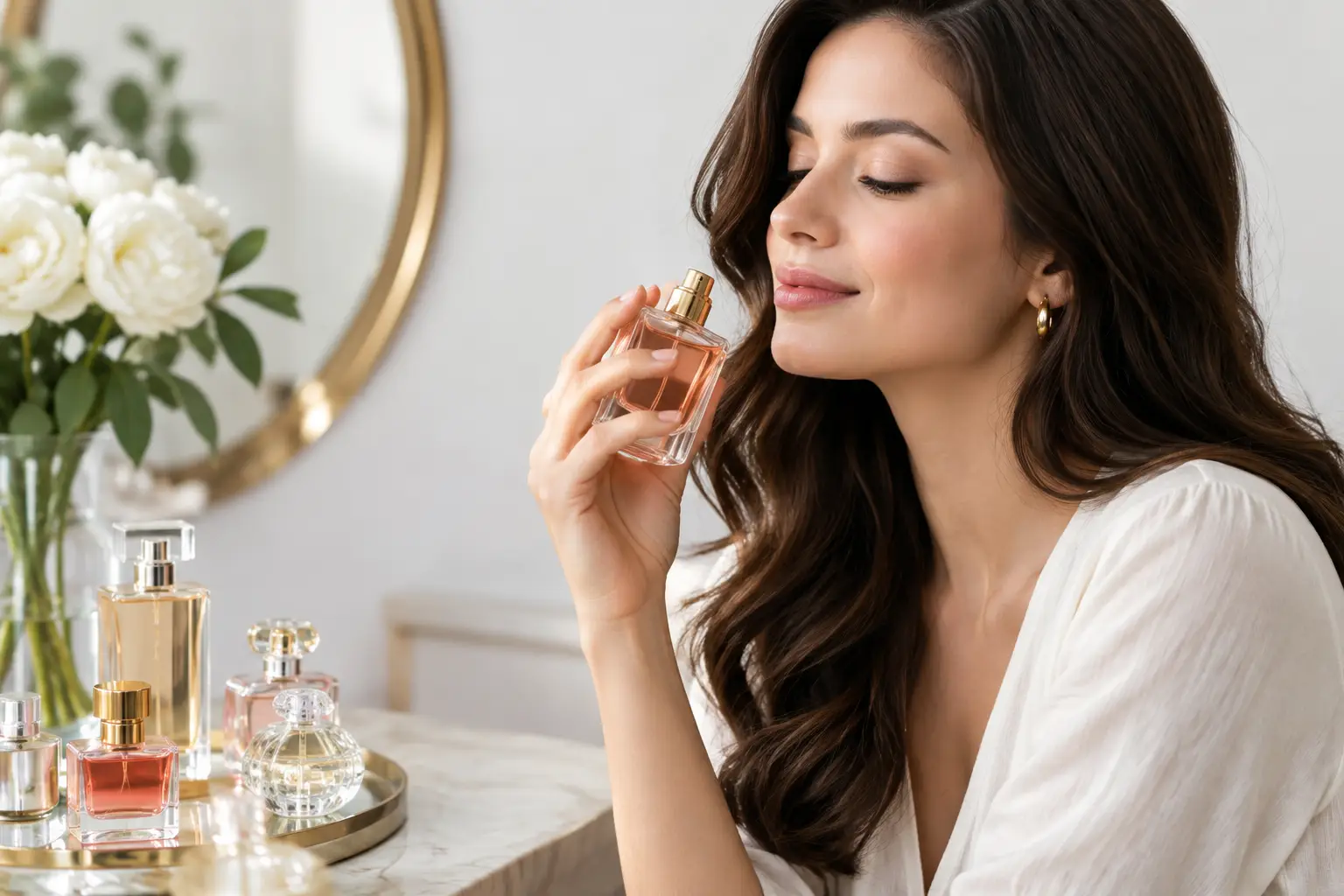
A fragrance should not disappear into the background the moment you leave the house. The right women’s perfume becomes part of how people remember you: a warm trail at dinner, a fresh detail before a presentation, a familiar comfort on an ordinary morning. Finding that scent is less about following a trend and more about recognizing what feels naturally like you.
A signature fragrance is not necessarily one bottle worn every day, forever. It is a scent profile that consistently feels aligned with your style, mood, and presence. Someone drawn to crisp tailoring and clean lines may feel most at home in citrus, neroli, white musk, or soft woods. Someone whose style leans glamorous or romantic may prefer rose, amber, vanilla, patchouli, or creamy florals.
Start with the feeling you want to create rather than a list of ingredients. Do you want to seem polished, sensual, energetic, understated, or intriguing? Fragrance has no rules about what is feminine enough, professional enough, or appropriate for a certain age. A bright citrus can feel as elegant as a rich vanilla, and a deep woody scent can be remarkably beautiful on someone who usually wears florals.
The useful question is not, “What perfume should I wear?” It is, “How do I want this moment to feel?” That shift makes a crowded fragrance category much easier to navigate.
Every perfume develops in stages. The opening is what you notice first, often made up of sparkling citrus, juicy fruits, airy herbs, or fresh spices. The heart appears after the first few minutes and usually carries the fragrance’s main character, whether that is jasmine, rose, iris, orange blossom, tea, or a smooth gourmand accord. The base remains closest to the skin for hours, built from notes such as musk, sandalwood, amber, vanilla, vetiver, patchouli, and resin.
This evolution is why a scent should never be judged solely from its first spray. A perfume that opens sweet may settle into something elegant and woody. A light floral may become warmer and more sensual as its base notes emerge. Give it time before deciding whether it belongs in your collection.
Floral fragrances remain a classic choice because they range from delicate and fresh to dramatic and opulent. Rose can be dewy, powdery, spicy, or dark. Jasmine may feel luminous and clean or heady and seductive. White florals such as tuberose and gardenia often create a more glamorous, evening-ready impression.
Fresh fragrances tend to feature citrus, green notes, watery accords, tea, or clean musk. They are easy to reach for in warm weather, at the office, or whenever you want something refined without a heavy trail. Woody scents center on cedar, sandalwood, vetiver, cashmere woods, or amber. They often feel confident, modern, and quietly luxurious.
Then there are gourmand perfumes, which use edible-inspired notes such as vanilla, cocoa, caramel, coffee, almond, or whipped cream. The best gourmands are not simply sugary. They balance sweetness with woods, spice, musk, or amber, giving the fragrance dimension rather than making it smell like dessert.
The label on a bottle gives useful guidance, though it does not guarantee performance. Eau de toilette is generally lighter, brighter, and ideal for everyday wear. Eau de parfum typically has a richer concentration and more presence, making it a popular choice for those who want their scent to last through work, dinner, or an evening out. Parfum or extrait is often the most concentrated style, with a closer, more luxurious wear and a higher price point.
Longevity also depends on the formula. Citrus, aquatic, and green fragrances often wear more softly than amber, vanilla, resin, and wood-based compositions. That is not a flaw. A fragrance designed to feel breezy and close to the skin may be exactly what you want for a summer afternoon or a shared office.
If you enjoy scent but do not want it to enter the room before you do, choose a fresh eau de toilette or a soft musk-based eau de parfum. If you want more drama, look for a perfume with amber, patchouli, vanilla, woods, or white florals in the base.
Season and occasion can help narrow the choice, but they should not limit your taste. A vivid citrus, fresh floral, or airy musk tends to shine in spring and summer. Heat amplifies fragrance, so lighter formulas often feel more comfortable when temperatures rise.
Fall and winter invite richer textures: smoky woods, warm spices, amber, leather, vanilla, and dark fruits. These notes have enough depth to hold their own against cold air and heavier clothing. Still, a clean floral in January or a cozy vanilla in July can be wonderful when applied with restraint.
For work, aim for a fragrance with a polished presence rather than overwhelming projection. Iris, tea, clean musk, soft rose, bergamot, and sandalwood are often reliable choices. For dates and evening events, a deeper floral, amber, vanilla, or woody scent can feel more magnetic. For gifting, recognizable designer fragrances are often a safe, impressive starting point, especially when you understand whether the recipient prefers fresh, floral, sweet, or warm scents.
Paper blotters are useful for identifying a fragrance family, but skin tells the real story. Body chemistry, skin hydration, temperature, and even the weather can change how a perfume wears. Spray one or two fragrances on separate areas of clean skin, then live with them for several hours.
Avoid testing too many scents at once. After three or four, the differences become harder to distinguish and every fragrance can start to smell alike. Instead, notice three things: whether you enjoy the dry-down, whether the scent fits your lifestyle, and whether you still want to smell it again after an hour.
A fragrance does not need to be loud to be memorable. Often, the most sophisticated choice is the one that draws people closer rather than announcing itself from across the room.
Apply perfume to moisturized skin, since dry skin can make fragrance fade more quickly. The wrists, inner elbows, and sides of the neck are classic pulse points, but a light mist on the chest or hair can create a soft, lingering effect. If you spray hair, do so lightly and avoid saturating it, particularly with alcohol-based formulas.
Do not rub your wrists together after application. It can disrupt the opening and make the scent develop differently. A few intentional sprays are usually enough. More is not always more luxurious, particularly with strong eau de parfums and extrait formulas.
Store bottles away from direct sunlight, humidity, and dramatic temperature changes. A dresser drawer or cool cabinet is generally better than a bathroom shelf. Proper storage protects the clarity and character of a fragrance you plan to enjoy for years.
Whether you are choosing an iconic designer bottle, trying a niche discovery, or selecting a gift, buy from a retailer that makes authenticity and careful handling clear. Gotham Fragrances brings recognizable luxury names and distinctive scents into one curated place, making it easier to explore without treating fragrance as an impulse purchase at full retail.
The best perfume is the one that makes you stand a little taller when you wear it. Give yourself permission to test, revisit, and change with the seasons. Your signature is not a formula. It is the scent that feels like your own quiet form of presence.
Post Tags :
Share :