
✦ GOTHAM FRAGRANCES — All Name Brand Colognes & Perfumes!
Free Shipping on all orders over $80.00
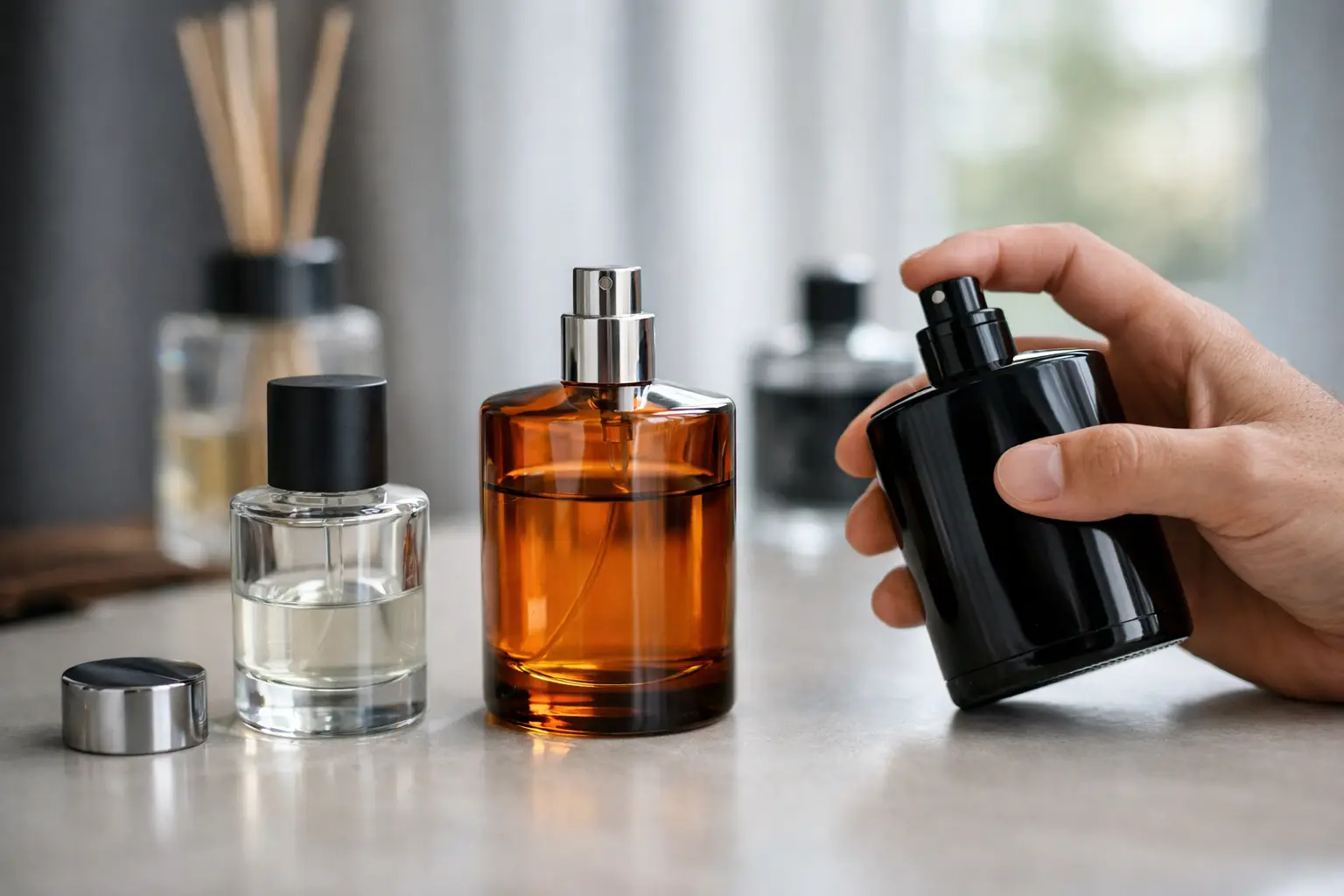
A fragrance can smell exceptional on a blotter and still feel wrong by noon. Often, the issue is not the notes – it is the concentration. Knowing how to choose cologne concentration helps you find a scent that wears at the right volume, lasts through the moments that matter, and feels like a natural part of your style rather than an announcement that arrives before you do.
Concentration is one of the most useful details on a fragrance bottle, but it is not a simple ranking from weak to strong. A higher concentration can offer more depth and longer wear, yet an airy eau de toilette may be the more elegant choice for a humid afternoon, a close office, or someone who prefers scent with a lighter touch.
Cologne concentration refers to the percentage of aromatic oils diluted in alcohol and sometimes water. In general, more aromatic oil means a fragrance stays detectable longer and develops more slowly on skin. It can also create a richer, denser impression.
That said, concentration does not tell the whole story. A bright citrus eau de parfum may wear more quietly than a powerful woody eau de toilette. Ingredients, formula, your skin chemistry, weather, and the number of sprays all affect performance. Think of concentration as the starting point for choosing a fragrance, not a guarantee of exactly how it will behave.
Eau de Cologne, often labeled EDC, usually contains about 2% to 5% fragrance oil. It tends to feel fresh, fleeting, and uncomplicated, with citrus, herbs, neroli, and light woods frequently leading the composition. Expect roughly one to three hours of wear.
This is a natural choice for post-shower freshness, warm weekends, or anyone who enjoys reapplying during the day. It is less suited to a long event when you want your scent to remain present from arrival through dinner.
Eau de Toilette, or EDT, commonly sits around 5% to 15% fragrance oil. It is a familiar favorite for designer colognes because it balances freshness with noticeable character. Most EDTs wear for approximately three to six hours, though certain aromatic, woody, or amber-focused formulas can last much longer.
An EDT is often ideal for work, daytime dates, travel, and warm weather. It gives you room to spray generously without overwhelming the people nearby. For many men, it is the most versatile starting point; for anyone who finds rich perfume too intense, it offers an approachable way to wear prestige fragrance every day.
Eau de Parfum, or EDP, generally contains 15% to 20% fragrance oil. It is usually fuller, smoother, and longer-lasting than an EDT, often lingering for six to eight hours or more. The heart and base notes tend to have more room to unfold, which makes EDP especially compelling in compositions built around vanilla, amber, woods, florals, spice, musk, or leather.
Choose an EDP when you want more presence without moving into the intensity of an extrait. It suits evening plans, cooler seasons, special occasions, and days when reapplying is not convenient. It can also be an excellent value: a few deliberate sprays may carry you through an entire evening.
Parfum, parfum extrait, or extrait de parfum often contains 20% to 40% fragrance oil. These are frequently the most concentrated expressions, with wear times that can reach eight to twelve hours or beyond. Rather than always projecting farther, an extrait may sit closer to the skin while creating a plush, long-lasting aura.
This concentration rewards a restrained hand. One or two sprays can be enough, particularly with warm, resinous, gourmand, or floral fragrances. Parfum is a beautiful fit for formal evenings, intimate settings, cold weather, and collectors who appreciate the slow evolution of a more luxurious composition.
The right concentration should match the setting as much as your taste. A fragrance is part of your presentation, and thoughtful restraint often reads as more sophisticated than sheer intensity.
For the office, appointments, classrooms, and close quarters, an EDT or a softly applied EDP is usually a polished choice. Fresh citrus, clean woods, aromatic herbs, and light musks keep the effect refined. If you work in a fragrance-sensitive environment, use fewer sprays and favor a scent that stays close to the skin.
For date nights, dinners, and celebrations, an EDP offers a more memorable trail. It has the staying power to move from cocktails to a late reservation, while deeper notes such as cardamom, sandalwood, iris, vanilla, and amber add dimension. An extrait can be stunning here, but it works best when the setting is intimate and your application is minimal.
For outdoor summer days, a citrus or aquatic EDT often feels more comfortable than a dense EDP. Heat amplifies fragrance, so a concentration that felt subtle indoors can become much louder outside. In fall and winter, an EDP or parfum can shine because cooler air softens projection and gives warm notes more space to bloom.
Dry skin can absorb fragrance quickly, making even a well-performing EDT seem short-lived. Applying an unscented moisturizer first may help the scent hold on longer. If your skin runs warm or you naturally project fragrance strongly, a lighter concentration may give you the balance someone else gets from an EDP.
Your preferred scent experience matters just as much. Choose EDT if you like brightness, movement, and the freedom to refresh your fragrance. Choose EDP if you want a richer signature that stays with you through the day. Choose parfum if you enjoy detail, intimacy, and the ritual of wearing something that reveals itself gradually.
Do not assume that stronger always means better value. An EDP may require fewer sprays, but an EDT can be the smarter purchase if it is the version you will reach for five days a week. A fragrance earns its place in your collection when it fits your actual life, not when its label promises the longest possible wear.
When possible, test fragrance on skin rather than judging it solely from the first spray. The opening is only one chapter. Give an EDT or EDP at least four to six hours, and give a parfum even more time, before deciding whether it works for you.
Try it on a normal day in the conditions where you expect to wear it. Notice its projection after the first hour, how it feels at close range, and whether the dry-down still reflects the impression you wanted. If you can smell it constantly, it may be too strong for your preference or application. If you stop noticing it, ask someone you trust whether it is truly gone – nose fatigue can arrive long before a fragrance disappears.
A practical way to compare concentrations is to test them on separate days, using the same number of sprays. Do not compare a heavily applied EDT with a lightly applied EDP and assume concentration is the only difference. Many fragrance houses adjust notes between versions, so an EDT and EDP with the same name may express different facets of the scent.
With EDC and EDT, two to four sprays may be appropriate depending on the formula and setting. With EDP, begin with two sprays, then adjust after wearing it. With parfum or extrait, start with one spray on the chest or the back of the neck. You can always add more next time; it is difficult to pull a powerful fragrance back once it is in the air.
Pulse points such as the neck and wrists are classic choices, but clothing can extend wear as well. Test discreetly first, since some formulas may mark delicate fabrics. Avoid rubbing your wrists together, which can disturb the opening and make the fragrance fade unevenly.
The most elegant concentration is the one that supports your presence rather than competing with it. Select the version that feels right for your skin, your schedule, and the impression you want to leave – then let it become part of the memory people associate with you.
Post Tags :
Share :